Backflow Prevention in Cape Coral, What It Is, When You Need It, and What It Costs

If you’ve ever filled a pool, run lawn sprinklers, or owned a small business in Cape Coral, you’ve used water in ways that can put the public supply at risk. That’s why backflow prevention keeps coming up in permits, inspection notes, and sometimes even warning letters.
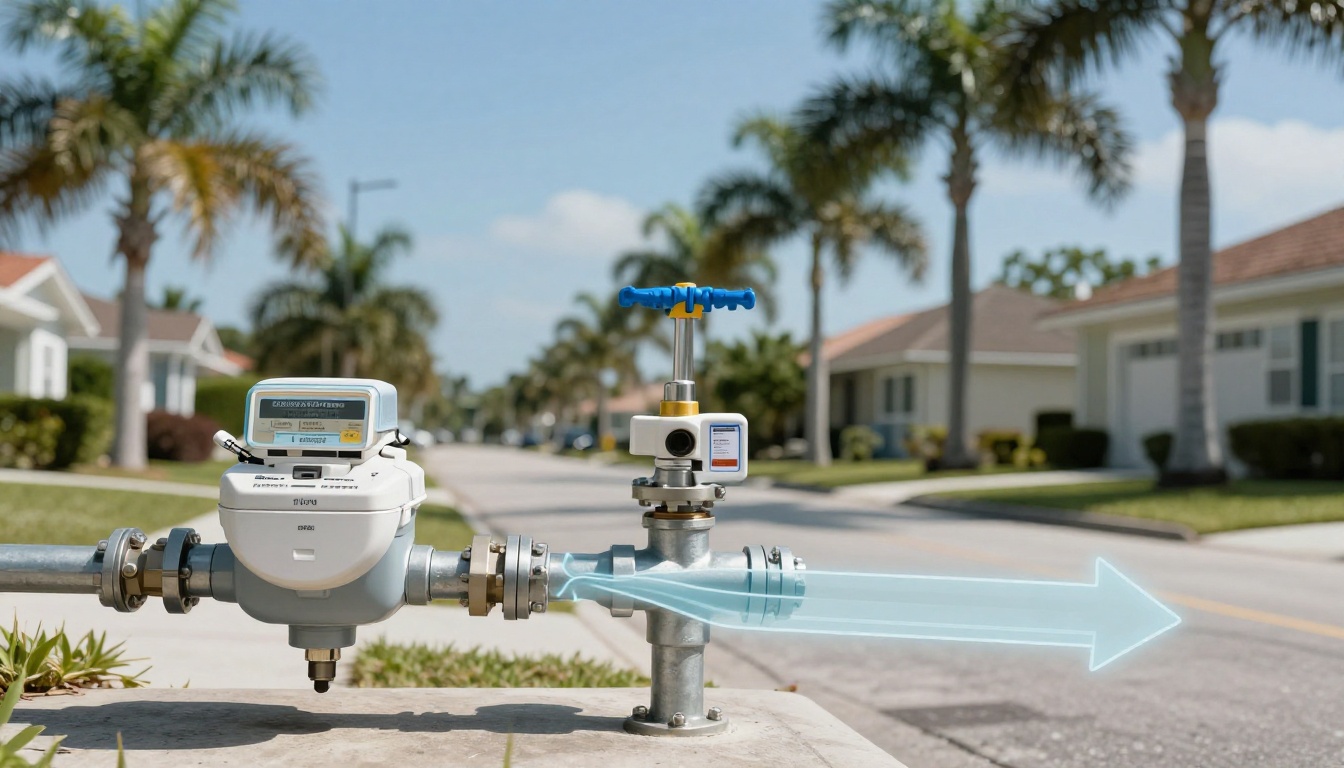
Backflow devices aren’t about “better water pressure” or fancy upgrades. They’re about stopping contaminated water from flowing backward into clean drinking water when pressure changes, like during a water main break or heavy system demand.
This guide breaks down what backflow is, when Cape Coral properties typically need protection, and what you can expect to pay in February 2026.
What backflow prevention is (and why it matters in Cape Coral)
Backflow is when water flows the wrong way, back into the drinking water system. Think of your plumbing like a one-way street. Under normal pressure, clean water moves from the city main to your home or business. When pressure drops, that “one-way street” can turn into a two-way street, and that’s where trouble starts.
There are two common ways backflow happens:
- Back-siphonage : A sudden drop in city pressure (like a nearby main break, hydrant use, or line repair) can create suction and pull water backward.
- Back-pressure : If your property has equipment that builds pressure (booster pumps, boilers, some irrigation setups), it can push water back toward the city line.
Why does Cape Coral care so much? Because one cross-connection at one property can impact more than one household. Irrigation water with fertilizer, bacteria from a commercial kitchen, or stagnant water from a fire line can become a public health issue fast.
Cape Coral’s local rules spell out cross-connection control and approved device types in the city code. You can read the ordinance language in this Cape Coral “Protection of Public Water System” ordinance PDF.
Here’s the practical takeaway: backflow prevention is a safety valve for the whole neighborhood , not just your plumbing.
When you need a backflow device in Cape Coral (common real-life scenarios)
Most Cape Coral homeowners first run into backflow requirements through irrigation. A lawn sprinkler system is a direct connection between potable water and an outdoor network that sits in soil, heat, and standing water. That’s exactly the type of setup that needs protection.
Residential situations that often require backflow protection
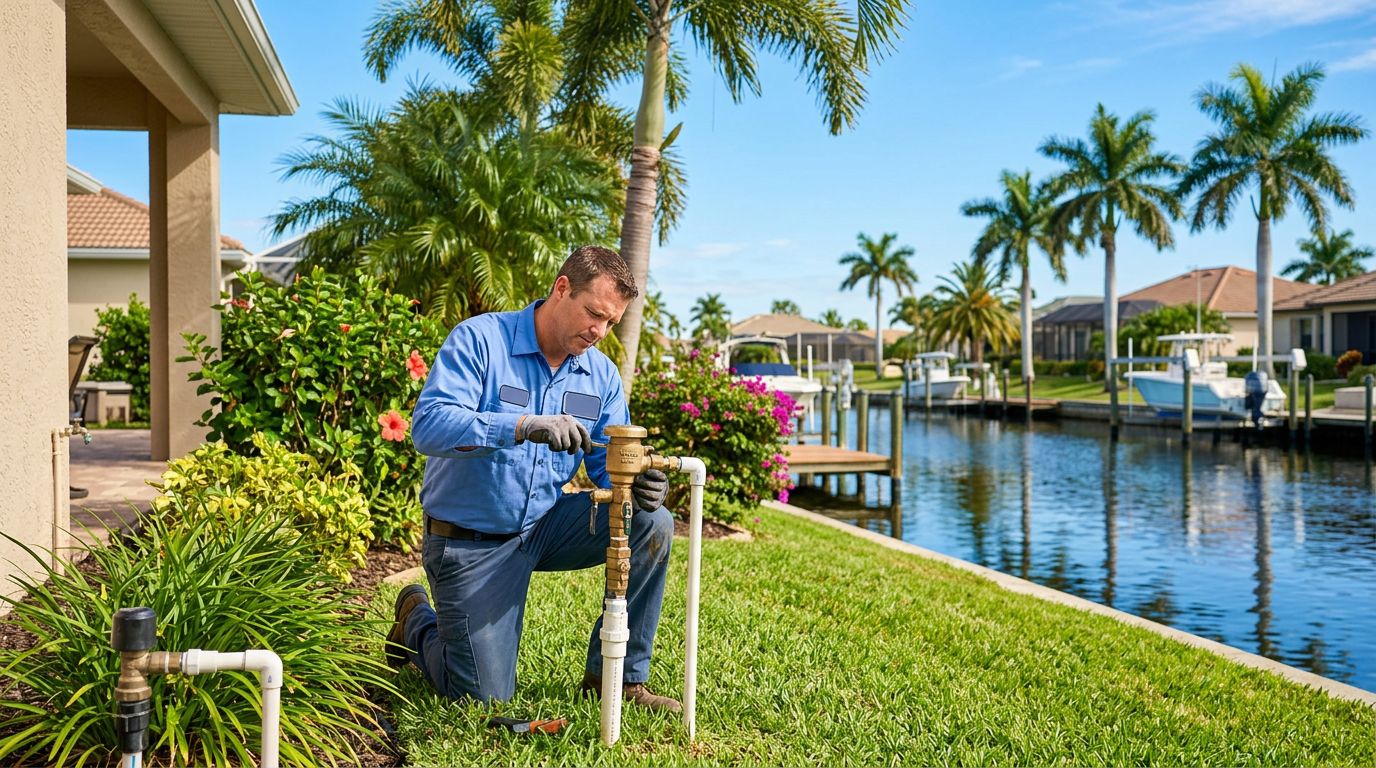
- Lawn irrigation systems : Typically protected with a device like a pressure vacuum breaker (PVB) or reduced pressure zone (RPZ), depending on the setup and utility requirements.
- Pool auto-fill lines : Often addressed with an air gap or an approved backflow method, especially if there’s a direct connection.
- Hose bibbs used for chemical sprayers : Even a simple fertilizer sprayer can create a contamination risk if pressure drops at the wrong time.
If you’re planning sprinklers, it helps to coordinate the irrigation design, the device choice, and the permit path up front. This is where a local team that handles Cape Coral irrigation installation can save you from rework.
Commercial and multi-family properties usually face stricter rules. In current local guidance, commercial and multi-family buildings (often three or more units) may be required to install an RPZ-type assembly near the meter, then test it at least annually with results submitted promptly. The city also requires permits for many installations and changes. For permitting references, start with the city’s Permit Document Center.
If your property is in a Utility Expansion Project area, water hook-up rules and cross-connection warnings also matter. The city’s process is summarized on Water Hook-Up Procedures.
Brief safety and legal disclaimer: Requirements vary by property type, plumbing layout, and utility rules. Confirm the right device, permit needs, and testing schedule with the City of Cape Coral (or your serving utility) and the permitting office before work begins.
Which backflow preventer you’ll see most often (PVB vs RPZ, plus a few others)
Most people hear “backflow preventer” and picture one thing. In real life, there are a few common devices, and the right one depends on risk level and where it’s installed.
Pressure vacuum breaker (PVB)
Common on residential irrigation. It helps stop back-siphonage and is usually installed above ground. For a typical Cape Coral lawn sprinkler setup, this is often the go-to unless the system’s risk level calls for more protection.
Reduced pressure zone assembly (RPZ)
This is the heavy-duty option and is often used for higher-risk situations. Restaurants, medical offices, car washes, and many multi-family setups end up here because the potential for contamination is higher. It’s also the type frequently required near the meter in commercial settings, then tested yearly by a certified tester.
Double check valve assembly (DCVA)
Often used for lower-hazard commercial applications and some fire protection scenarios, depending on the system design and what the authority having jurisdiction approves.
Air gap
Not a valve, but a physical separation. It’s simple and reliable when it fits the application, like some drain lines or certain fill situations.
Practical examples you might recognize:
- A home irrigation system might use a PVB or an RPZ to keep yard water out of the house supply.
- A restaurant commonly needs an RPZ because of connected equipment and higher contamination risk.
- A fire sprinkler line may require a specific assembly and additional review because it ties into life safety, inspections, and insurance rules.
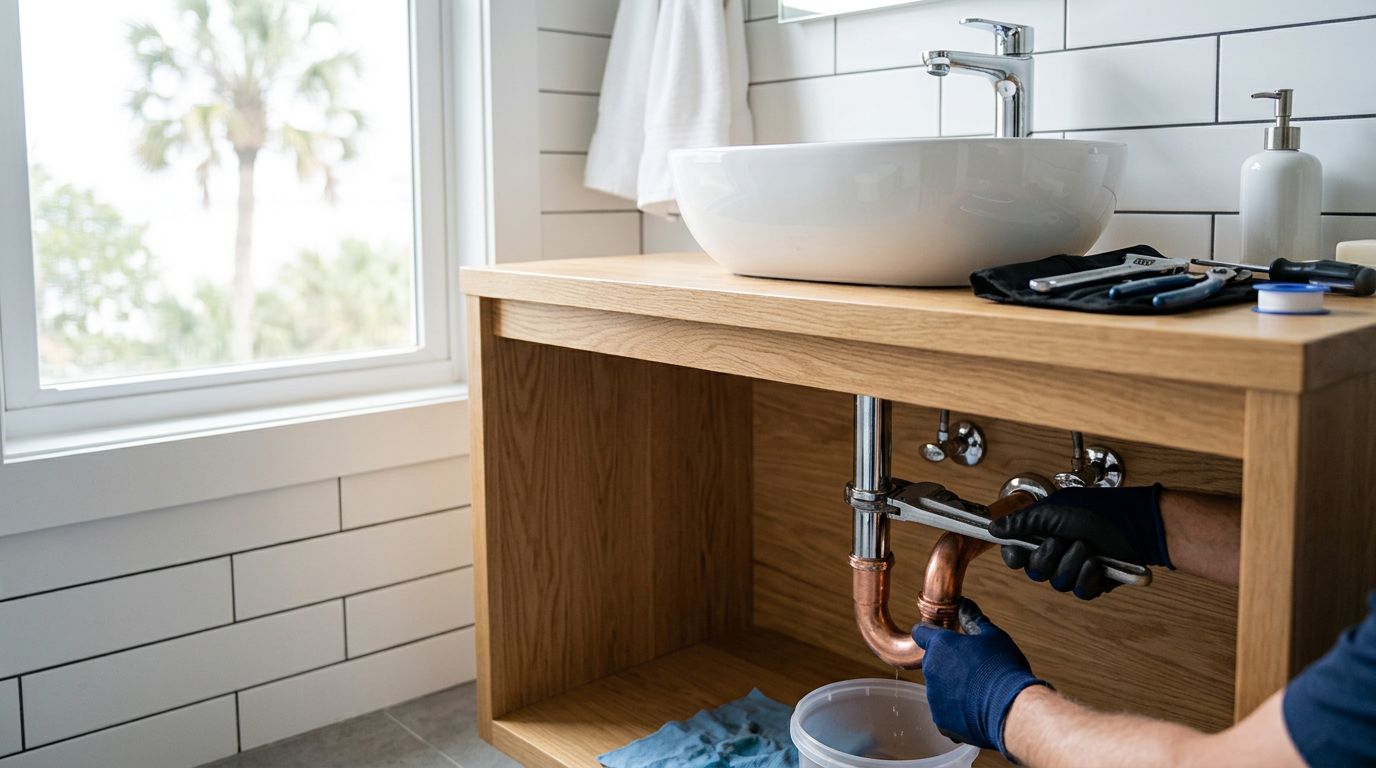
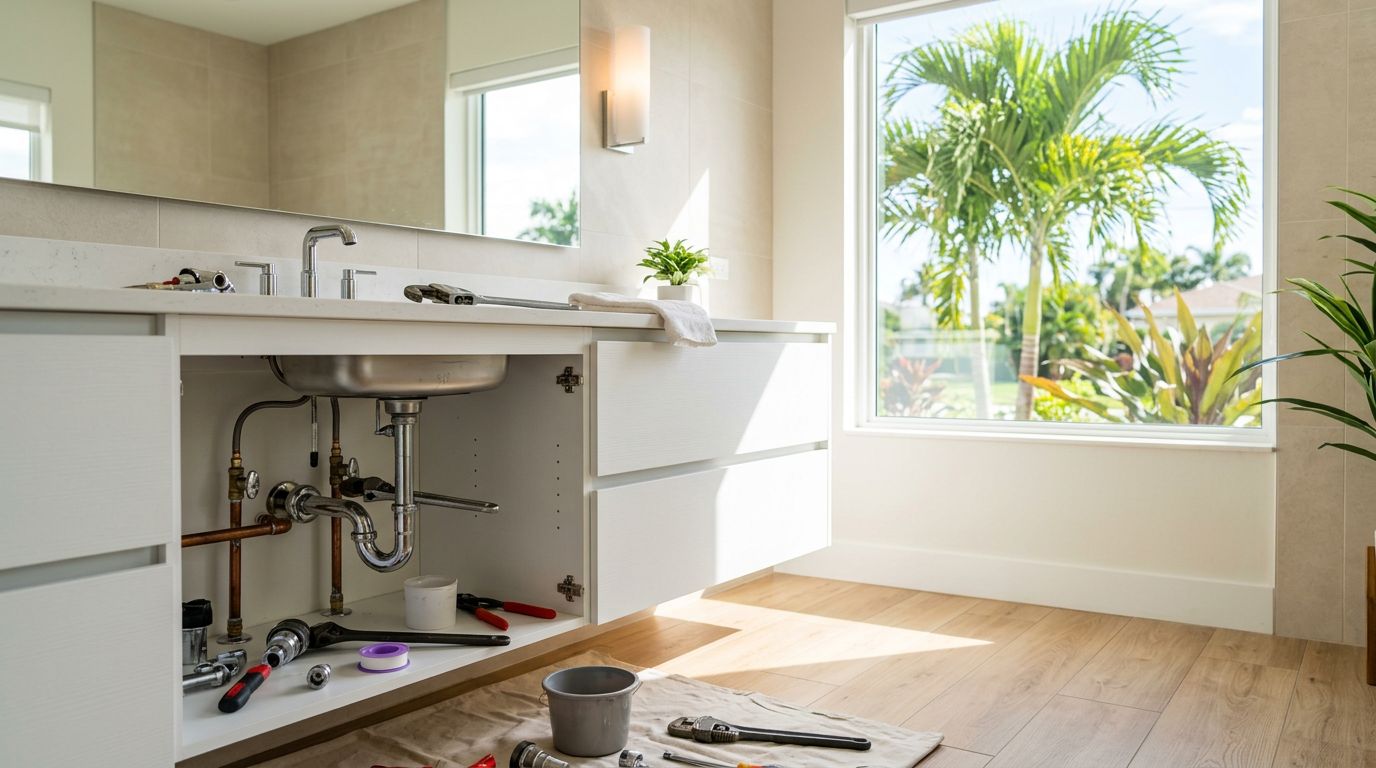
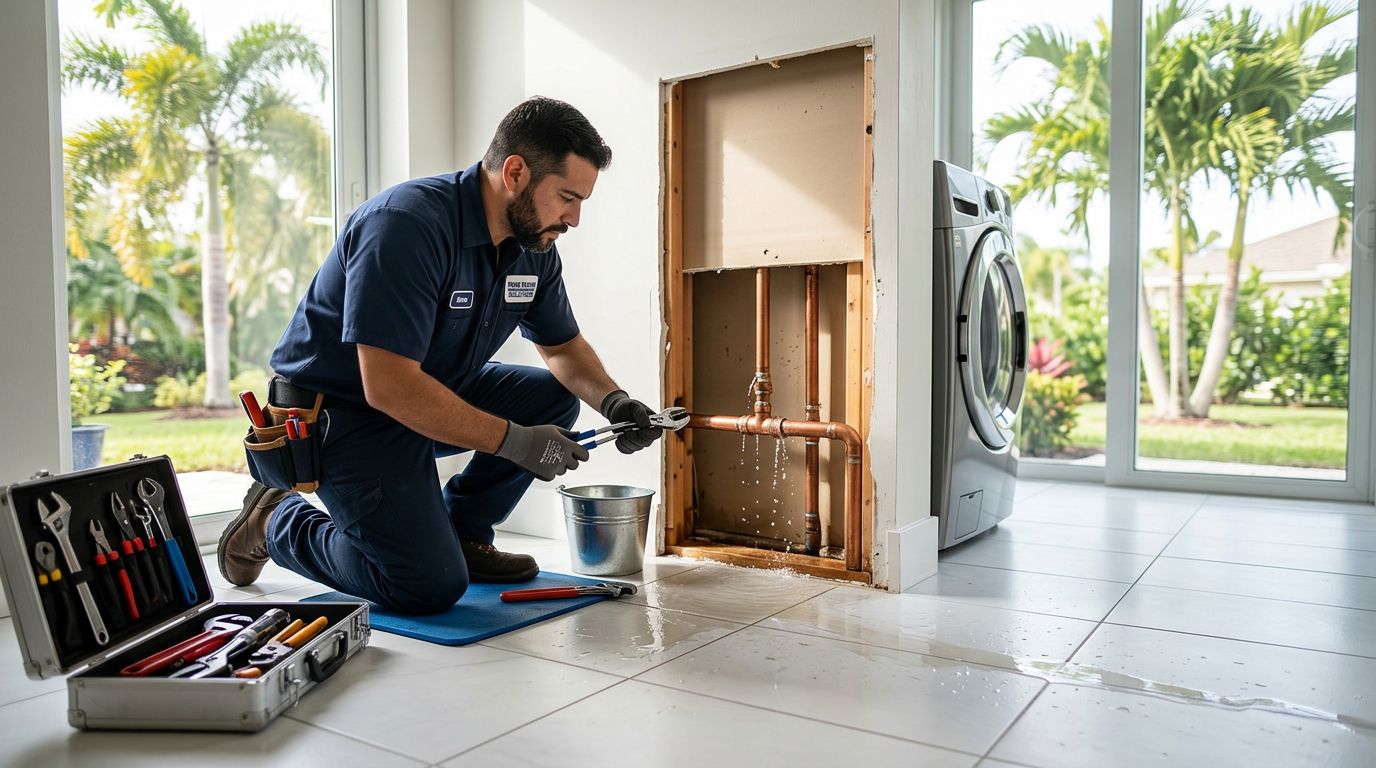
For broader plumbing and cross-connection help beyond irrigation, a contractor offering leak detection and repair services can usually spot risky tie-ins before they become a compliance problem.
What backflow prevention costs in Cape Coral (2026 price ranges)
Costs swing based on device type, pipe size, access to the line, and whether the job needs re-piping to meet clearance rules. Permits and annual testing also add ongoing costs.
National pricing can be a rough starting point, but it won’t match every Cape Coral job. For general cost context, see Angi’s backflow preventer installation cost breakdown.
Here are realistic low / typical / high ranges many property owners run into locally in Southwest Florida for February 2026.
| Scenario | Typical device | Low | Typical | High | Notes |
|---|---|---|---|---|---|
| Residential irrigation (standard yard system) | PVB (sometimes RPZ) | $250 | $450 | $1,100 | Price depends on device type, re-piping, and placement rules |
| Residential main-line or special hazard (case-by-case) | RPZ or other approved method | $450 | $800 | $1,200 | Often higher due to complexity and device cost |
| Commercial (small business, typical meter-area install) | RPZ | $700 | $1,050 | $1,600+ | Larger devices, tighter code requirements, more labor time |
| Commercial (higher hazard or larger pipe sizes) | RPZ (larger size) | $1,000 | $1,600 | $2,500+ | Larger assemblies and site constraints drive cost |
Ongoing costs to plan for
- Annual testing : Often about $20 to $100 for a straightforward test, but complex commercial testing and reporting can cost more.
- Permits and inspections : Many installs require permitting, fees vary, and corrections can add time and cost.
- Repairs : Failed tests can mean rebuilding or replacing internal parts, especially on older assemblies.
Two quick ways to keep costs from getting out of hand: place the device where it’s accessible for testing, and handle permits early so you’re not paying for rushed scheduling. If you’re budgeting a new sprinkler build, this lawn irrigation system cost guide for Cape Coral helps you plan the full project, not just the valves and heads.
Conclusion
Backflow isn’t rare in a city full of irrigation, seasonal demand, and ongoing utility work. The right backflow prevention setup keeps your water safe, keeps the city happy, and lowers the risk of fines or shutoffs. If you’re adding irrigation, remodeling a commercial space, or you’ve gotten a notice, confirm the device type, permit steps, and testing schedule with Cape Coral, then get it installed and tested the right way. Clean water should only move in one direction.
Get a Free Estimate
Got a plumbing issue? We’re here to help! Whether you need emergency repairs, routine maintenance, or have a question about our services, our team is ready to assist you.