Cape Coral UEP hookups, a step-by-step guide to switching from well and septic to city water and sewer

Cape Coral UEP hookups, a step-by-step guide to switching from well and septic to city water and sewer

If you’re on a well and septic in Cape Coral, the Utility Expansion Project can feel like someone handed you a to do list written in plumbing code. The good news is the process is predictable once you know who does what.

This guide breaks down Cape Coral UEP hookups in plain language, from the first letter you get to the final inspection, plus what to budget for on the City side versus the private side.

You’ll also get a printable checklist and the exact questions to ask before you sign anything.

Start smart: confirm your UEP area, your deadline, and what the City already installed

UEP work happens in phases, and the rules that matter most to homeowners kick in when services are officially available to your property. The City’s public UEP hub is the best place to orient yourself, track your area, and find the “how to connect” resources: Utilities Extension Project (UEP).

When your area is ready, you’ll get a notice (often called a Notice of Availability). From that point, the City’s connection guidance explains that connection to potable water and wastewater is required within a set timeframe for properties in the project area. The City’s overview of the timeline and required steps is outlined here: City UEP connection process information.

Before you call any contractor, get these details pinned down:

  • Your service availability date and required connection window
  • Whether irrigation (reclaimed) is available in your street and if it’s optional
  • Where your water meter and sewer stub out are located (many owners find them only after a quick site walk)

Think of it like switching from a generator to the power grid. The street is the grid, your yard is the work you still own.

Step-by-step Cape Coral UEP hookups (from well and septic to City utilities)

Below is the typical sequence for a conversion. Your order may shift a bit based on inspections and scheduling, but the pieces don’t change much. If you want a plumber’s view of the full scope, see Utility Expansion Project services.

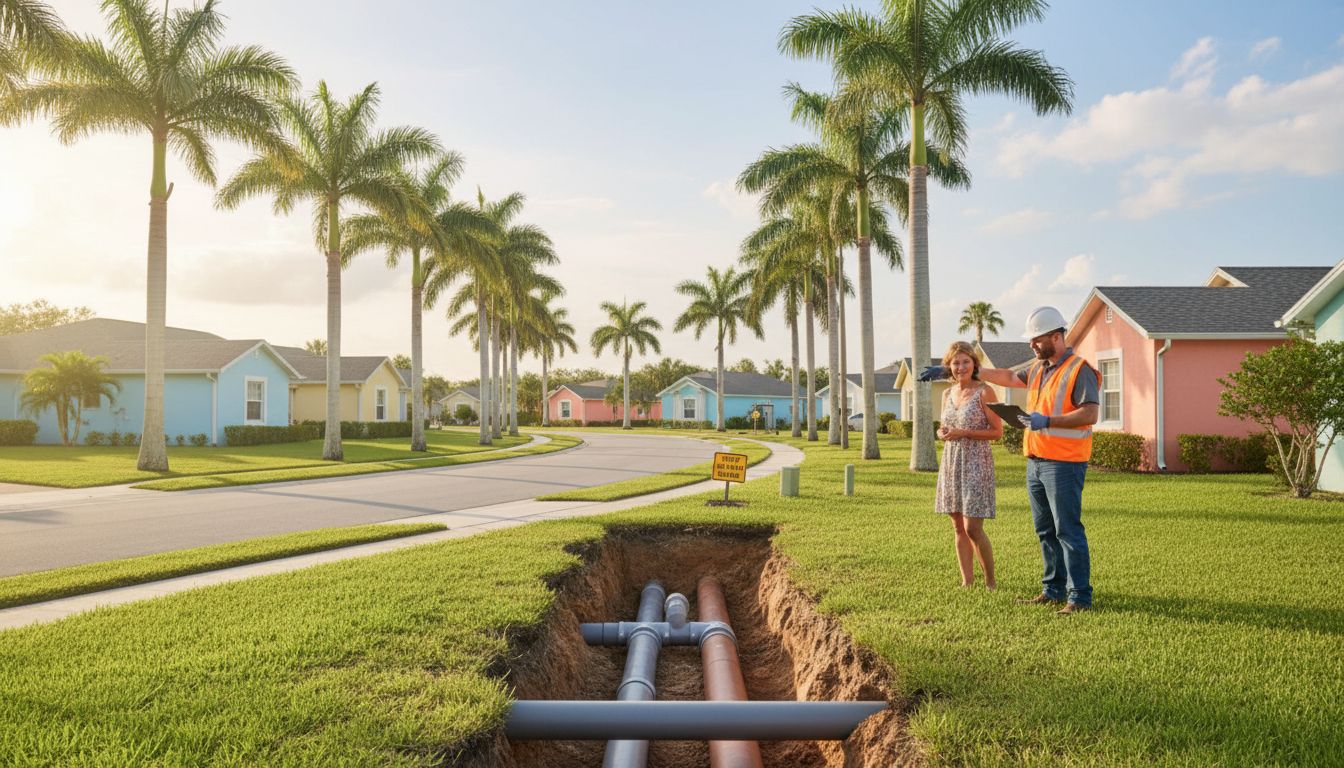
1) Call 811 before anyone digs

Even “small” trenching can hit power, cable, or existing private water lines. Call 811 several business days before digging so utilities can mark lines. Don’t let anyone start trenching with unmarked ground, even if they say, “It’s only a few feet.”

2) Choose a licensed plumber who regularly does UEP conversions

UEP work is not the time for guesswork. You want someone who understands Cape Coral inspections, typical depths, cleanouts, and how to avoid cross-connection problems.

3) Apply for the hookup permit (water and sewer)

The City requires a permit for hookups in UEP areas, and the same permit generally covers both water and sewer work. The City’s published procedure and key rules are listed here: Cape Coral water hook-up procedures.

Important note from the City’s guidance: no cross-connection is allowed between potable water and any non-potable supply. If your home has well-fed irrigation, hose bibs, or any legacy tie-ins, your plumber needs to handle separation correctly.

4) Plan the private-side layout (the part you pay a plumber to build)

Your plumber typically installs:

  • The water service line from meter to home tie-in point
  • The building sewer from home to the City connection point
  • Required cleanouts and test points

If your house has old piping, this is also the moment to decide whether to keep it or upgrade. A conversion can expose weak spots fast, like an old shutoff that won’t fully close.

5) Coordinate septic abandonment

Once sewer is active, the septic system must be properly abandoned per local requirements. In practice, this often includes pumping the tank and then filling, crushing, or removing components, based on what inspectors require and what’s on your site.

6) Coordinate well abandonment (and protect your potable system)

If you’re abandoning a well, it typically requires a licensed professional and documented closure steps. Also, confirm every old well line is disconnected so you never risk backflow into potable plumbing.

7) Pass inspections, then schedule activation

Your plumber schedules inspections for pressure tests, pipe bedding, and final tie-ins as required. After approvals, the City activates service and you transition to monthly billing.

8) Restore the yard and verify flow inside

After backfill, test every fixture. Run tubs, flush toilets, and check hose bibs. If anything is weak or noisy, deal with it immediately, before sod and landscaping hide the path.

For the City’s step list and homeowner guidance in one place, use: How to connect in Cape Coral UEP areas.

What it costs in 2026: City assessments vs. private-side hookup work (budget ranges)

UEP costs usually come in two buckets: City-side project costs (assessments, set by the City) and private-side connection work (your plumber and any well or septic contractors).

For current assessment schedules and how they’re calculated in your area, start here: UEP assessment costs (City info). Because assessments vary by area, frontage, and project scope, use the City’s published numbers for your neighborhood, not a generic estimate.

Here’s a planning table for the other moving parts homeowners often pay directly. These are broad budgeting ranges, and your site conditions can push them up or down.

Cost category Typical planning range What changes the price most
City assessment and UEP fees Varies by UEP area (often five-figure) Neighborhood phase, frontage, City schedule, financing choice
Private-side water and sewer piping $6,000 to $18,000 Distance to tie-in, depth, driveway cuts, number of cleanouts, pipe route conflicts
Septic abandonment $1,500 to $6,000 Tank size, access, soil, whether removal is required
Well abandonment $800 to $3,500 Well depth, casing type, access, documentation needs
Site restoration $500 to $5,000 Sod/landscape, irrigation repairs, concrete or paver replacement

If you’re trying to keep costs controlled, the biggest lever is usually the trench route. A clean path from meter and sewer connection to the home can save real money.

Permits, safety, and “don’t-get-burned” details (plus a printable checklist)

UEP conversions fail inspections for a handful of repeat reasons: wrong materials, missing cleanouts, improper slope, or an accidental cross-connection with an old well line. It’s also common for homeowners to forget that sewer work can uncover pre-existing issues, like a belly in the old building drain.

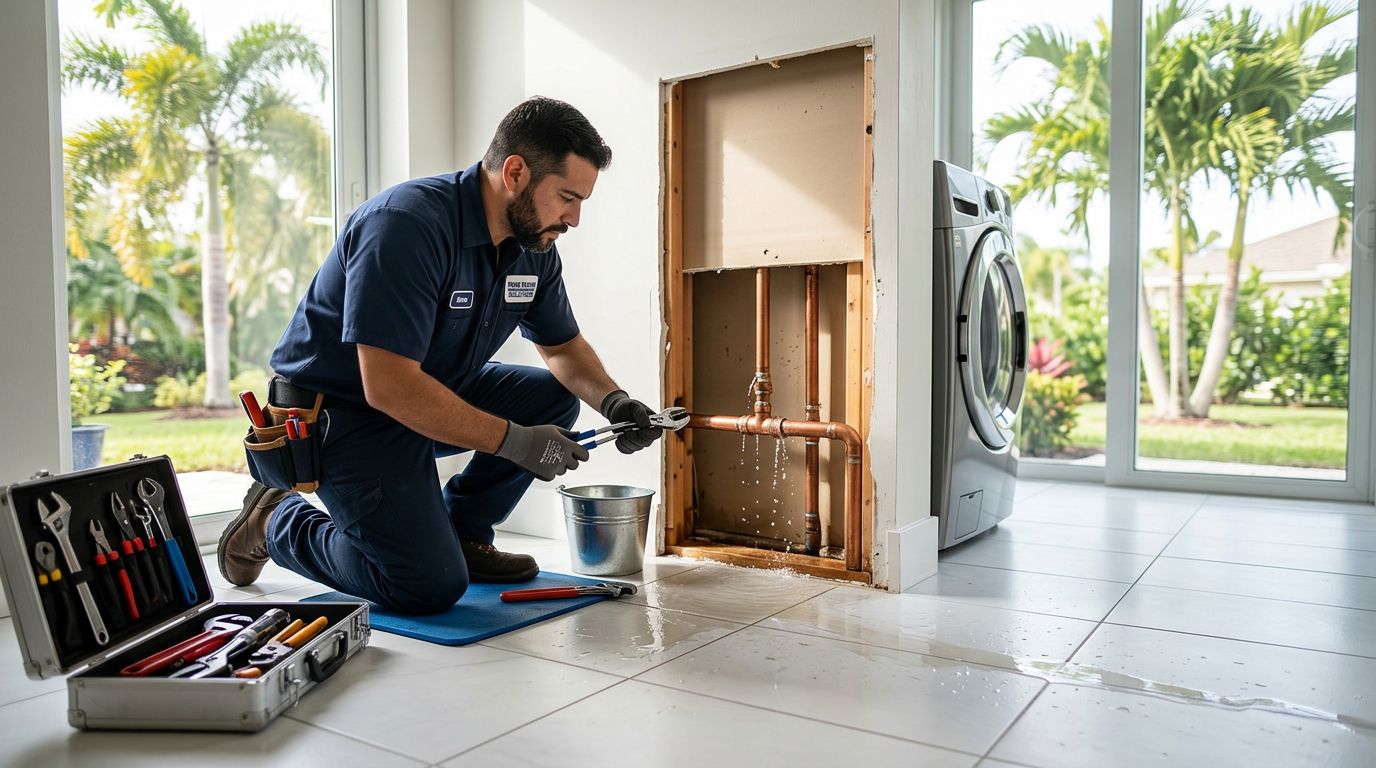
If you suspect an existing leak or want to confirm everything is tight before activation, it can help to schedule leak detection services. If you’ve had backups, slow drains, or root intrusion, talk through sewer cleaning and repair before the new connection goes live.

Who to call, what to ask (quick bullets)

  • City (UEP / billing) : Ask what forms are required to begin service and where to submit them, using Customer Billing Services new connection information.
  • Your plumber : Ask who pulls the permit, how inspections are scheduled, and how they’ll confirm there’s no cross-connection to any old well piping.

Printable checklist (save this)

  • Call 811 and confirm markings are complete before digging
  • Get a written scope that separates water, sewer, septic, well, and restoration
  • Confirm permit responsibility (homeowner vs. plumber), and get the permit number
  • Verify potable water is isolated from any well or irrigation lines
  • Schedule septic and well abandonment with proper documentation
  • Walk the trench route before backfill, take photos for your records
  • After activation, test every fixture and check for leaks for 48 hours

Cape Coral UEP hookups aren’t hard, they’re just easy to mess up when the work is rushed. Slow down at the planning stage , ask the right questions, and hire a plumber who does these connections every week, not once a year.

By Infinity Plumbing February 12, 2026
A shower that won’t hold temperature can feel like a car with a slipping transmission. It still runs, but you don’t trust it. In Cape Coral, the shower valve replacement cost depends on one big question: can a plumber fix it by swapping the cartridge, or do you need the full v...
By Infinity Plumbing February 11, 2026
If your shower feels like a pressure washer, you’re not imagining it. Water pressure Cape Coral homeowners get from municipal lines (or from a well and pump setup) can run higher than what your plumbing fixtures were built to handle. High pressure can feel great for a week, th...
By Infinity Plumbing February 10, 2026
A hidden plumbing leak is like a slow drain on your wallet. You might not see it, but you’ll feel it in your water bill, soft spots in drywall, or that musty smell that won’t go away. If you’re trying to budget for a leak detection cost in Cape Coral, the tricky part is that “...
By Infinity Plumbing February 9, 2026
A sewer line problem has a way of turning a normal week into a mess fast. One day you’re noticing slow drains, the next you’re dealing with backups, soggy spots in the yard, or that stubborn sewer smell that won’t go away. If you’re trying to budget for sewer line repair cost...

Get a Free Estimate

Got a plumbing issue? We’re here to help! Whether you need emergency repairs, routine maintenance, or have a question about our services, our team is ready to assist you.

GET PROFESSIONAL HELP