Running Toilet Fixes For Cape Coral Homes From Flapper To Fill Valve

Running Toilet Fixes For Cape Coral Homes From Flapper To Fill Valve

A running toilet can feel like a tiny faucet you can't shut off. The sound is annoying, but the bigger issue is the water you're paying for. In many cases, the fix is simple, and the parts are inexpensive.

This guide walks you through the most common causes in Cape Coral homes, starting with the flapper and moving to the fill valve. If you want a local pro to handle it, start with toilet repair Cape Coral.

Find the problem fast: where is the water going?

Before you buy parts, take 2 minutes to "watch the story" inside the tank. A running toilet usually does one of two things: it leaks from the tank into the bowl, or it overfills and spills into the overflow tube.

Safety first, every time:

  • Turn the shutoff valve (behind the toilet) clockwise to stop water if you need to work inside the tank.
  • Don't over-tighten plastic nuts or fittings, they crack easily.

Here's a simple, reliable way to narrow it down:

  1. Remove the tank lid and set it somewhere safe. Porcelain chips easily.
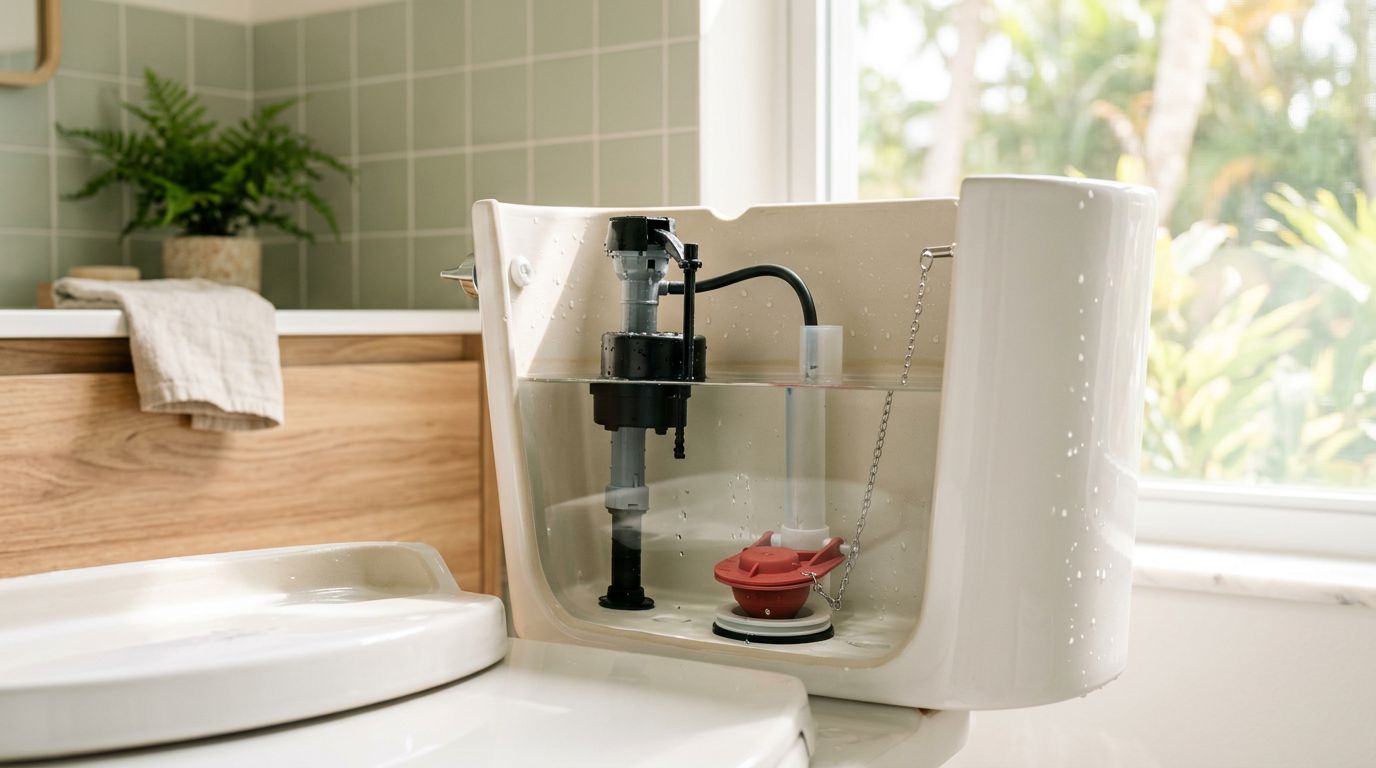
  2. Listen and look . If you see water trickling into the overflow tube, the fill system is the issue.
  3. Check the water line . The water level should sit about 1 inch below the top of the overflow tube.
  4. Do a quick dye test . Add a few drops of food coloring to the tank water, then wait 10 minutes without flushing. If color shows up in the bowl, your flapper (or flush valve seat) is leaking.
  5. Wiggle the handle . If the chain is too tight, the flapper can't settle. If it's too loose, it might not lift fully.

If the toilet "runs for a few seconds" every so often, that's usually a slow tank-to-bowl leak. The flapper is the usual suspect.

Once you know whether the water is leaking past the flapper or overfilling, the right fix becomes obvious.

Flapper fixes: the most common running toilet repair

A worn flapper is like a bad stopper in a bathtub. It can't seal, so the tank slowly drains into the bowl. Then the fill valve turns on to refill, and the cycle repeats.

How to choose the right flapper

Not all flappers fit all toilets. In older Cape Coral homes, you'll see several styles.

Match these details before you buy:

  • Flush valve size : Most are 2-inch, some are 3-inch (common in newer, "canister" style toilets).
  • Mount style : "Ears" that clip onto the overflow tube, or a specialty design.
  • Material : Rubber is common, but some water conditions wear it faster.

If your old flapper looks warped, slimy, or stiff, replacement is usually the best move.

Flapper replacement steps (quick and safe)

  1. Shut off water at the stop valve.
  2. Flush and hold the handle down to drain most of the tank.
  3. Remove the old flapper from the overflow tube pegs (or unclip the ring style).
  4. Clean the flush valve seat (the rim the flapper seals against). Use a soft scrub pad. Avoid sandpaper.
  5. Install the new flapper , then reconnect the chain.
  6. Set chain slack so there's about 1/2 inch of play. Too tight causes leaks, too loose causes weak flushes.
  7. Turn water back on and test flush several times.

If the flapper still leaks after replacement, inspect the flush valve seat. Mineral buildup can create tiny channels that let water pass. In that case, you may need a flush valve replacement, which is a bigger job than a flapper swap.

For more local troubleshooting context, see common toilet problems Cape Coral.

Fill valve and float issues: stop overfilling and constant hissing

If you see water flowing into the overflow tube, your toilet is overfilling or the fill valve won't shut off. Sometimes an adjustment fixes it. Other times, the fill valve is worn or clogged with sediment.

Adjust the water level first

Most fill valves have an adjustment screw or sliding clip.

  • Lower the float so the valve shuts off sooner.
  • Aim for the right level : about 1 inch below the overflow tube top.

Also check the refill tube (the small tube that sends water into the overflow tube after a flush). It should point into the overflow tube, but it should not be shoved down into it.

Gotcha: If the refill tube is pushed too far into the overflow tube, it can siphon water and make the toilet run even when parts are new.

Replace the fill valve when adjustments don't hold

Fill valves are inexpensive, and replacement is usually straightforward.

  1. Shut off water and flush to empty the tank.
  2. Disconnect the supply line under the tank. Keep a towel handy.
  3. Remove the lock nut holding the fill valve (under the tank). Hand-tight plus a small turn is enough on reassembly.
  4. Lift out the old valve , then install the new one per the height marks on the valve body.
  5. Reconnect the supply line carefully. Don't over-tighten plastic threads.
  6. Attach the refill tube with the included clip, with the tube end above the overflow tube rim.
  7. Turn water on , check for leaks, then fine-tune the water level.

If your shutoff valve won't fully stop water, don't fight it. A stuck valve turns a simple job into a stressful one fast.

DIY cost vs pro service in Cape Coral (and when it's worth calling)

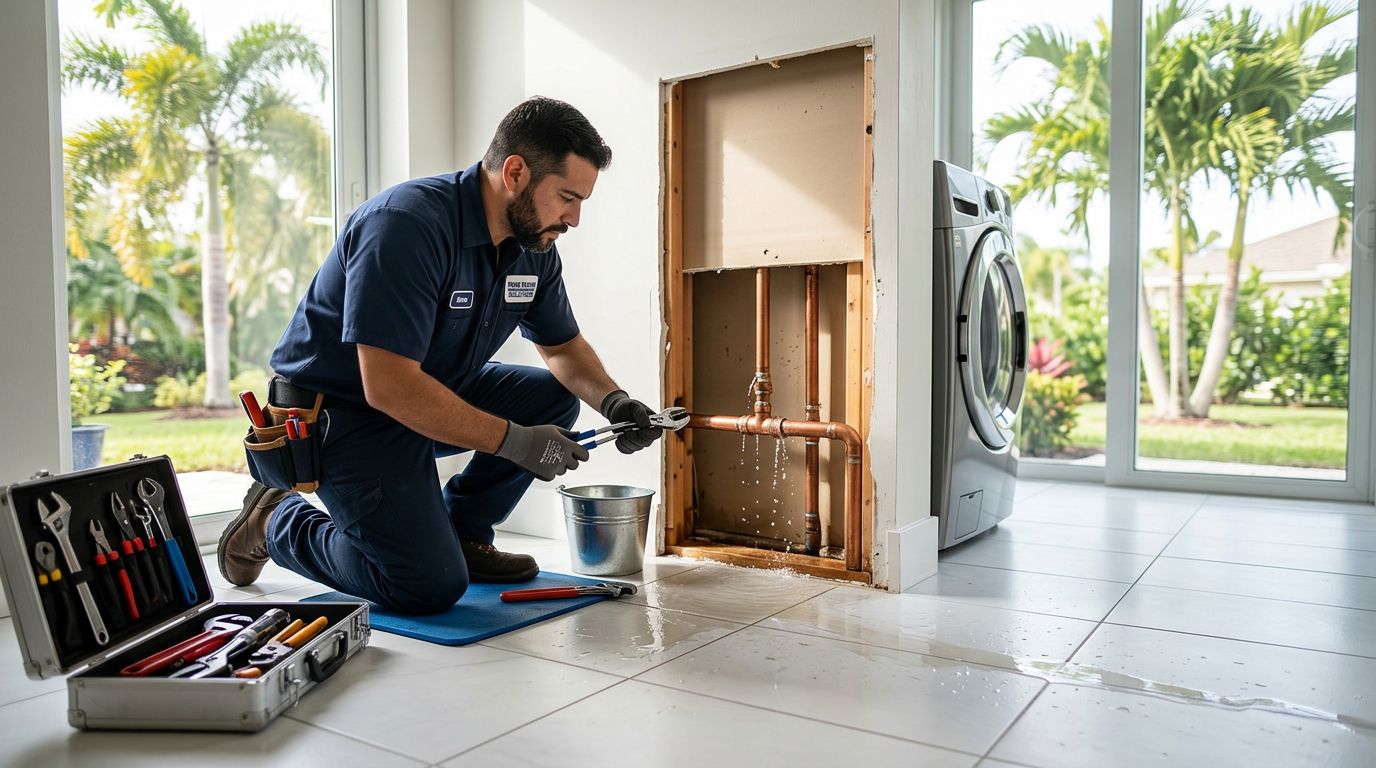
Many homeowners can handle a flapper or fill valve replacement in under an hour. Still, some situations call for a plumber, especially if leaks reach the floor or the shutoff valve fails.

Here's a realistic cost snapshot for typical repairs:

Repair item Typical DIY parts cost Typical pro service range
Flapper replacement $5 to $20 $120 to $250
Fill valve replacement $15 to $45 $150 to $320
Supply line replacement $8 to $25 $120 to $220
Flush valve replacement (tank-to-bowl) $20 to $60 $250 to $500

Prices vary by toilet type, after-hours needs, and part availability.

Call a pro if you notice:

  • Water pooling at the base (wax ring or flange issues)
  • Cracks in the tank or bowl
  • A shutoff valve that won't close
  • Repeated running after replacing parts (could be the flush valve seat, tank bolts, or hidden damage)

If you're looking for professional running toilet fixes without guesswork, start with fix running toilet in Cape Coral.

Preventive maintenance that helps Cape Coral toilets last longer

Cape Coral water can be mineral-heavy, and that buildup shortens the life of rubber and valves. A little routine care helps you avoid surprise running at night.

Simple habits that pay off:

  • Clean mineral buildup in the tank a few times a year. A quick scrub on moving parts helps them seal.
  • Replace the flapper every few years if it feels stiff or looks misshaped.
  • Check the refill tube clip after any work in the tank. Misplacement causes quiet, constant running.
  • Test the shutoff valve twice a year. Turn it off and back on slowly so it doesn't seize up.
  • Listen after each flush . The fill should stop cleanly, not hiss or trickle.

A toilet should be boring. When it's quiet and predictable, it's doing its job.

Conclusion

Most running toilets come down to two parts: a leaking flapper or a fill valve that won't shut off. With a quick diagnosis, you can buy the right part, set the water level correctly, and stop the waste. If the repair keeps coming back, or the shutoff valve won't cooperate, it's time to bring in a plumber who handles running toilet repair Cape Coral homes deal with every day.

By Infinity Plumbing March 1, 2026
If your shower doors never look clean, your dishes come out spotty, or your "new" faucet already looks worn, you're not alone. Many Cape Coral homeowners deal with hard water signs that show up fast, especially in bathrooms and on appliances. Hard water isn't usually dangerous...
By Infinity Plumbing February 28, 2026
Hard water has a way of showing up everywhere. It leaves spots on glasses, scale on showerheads, and a crusty ring where water sits. Over time, it can even shorten the life of water heaters and fixtures. If you're pricing a water softener cost in Cape Coral for 2026, the reali...
By Infinity Plumbing February 27, 2026
That cape coral sewage smell inside your home can stop you in your tracks. It's embarrassing, distracting, and it makes people worry something is "backing up" under the house. Most of the time, the cause is simpler than you'd think. Sewer odor usually slips indoors when a wate...
By Infinity Plumbing February 26, 2026
When a hurricane is on the way, plumbing is easy to forget until it becomes the problem. A burst outdoor line, a backed-up sewer, or floodwater getting into drains can turn a stressful week into a major cleanup. This hurricane plumbing prep checklist is built for Cape Coral ho...

Get a Free Estimate

Got a plumbing issue? We’re here to help! Whether you need emergency repairs, routine maintenance, or have a question about our services, our team is ready to assist you.

GET PROFESSIONAL HELP