Sewer Lift Station Replacement Cost in Cape Coral, FL: 2026 Guide

Your home's sewer lift station fails during a storm. Sewage backs up into the lowest drains. You face a mess, health risks, and urgent repairs. In Cape Coral, these systems push waste uphill when gravity lines won't work. Sewer lift station replacement cost in 2026 varies widely. It depends on your setup and site challenges. This guide breaks down realistic prices for local homeowners. You'll see key factors and smart next steps.
How Sewer Lift Stations Work in Cape Coral Homes
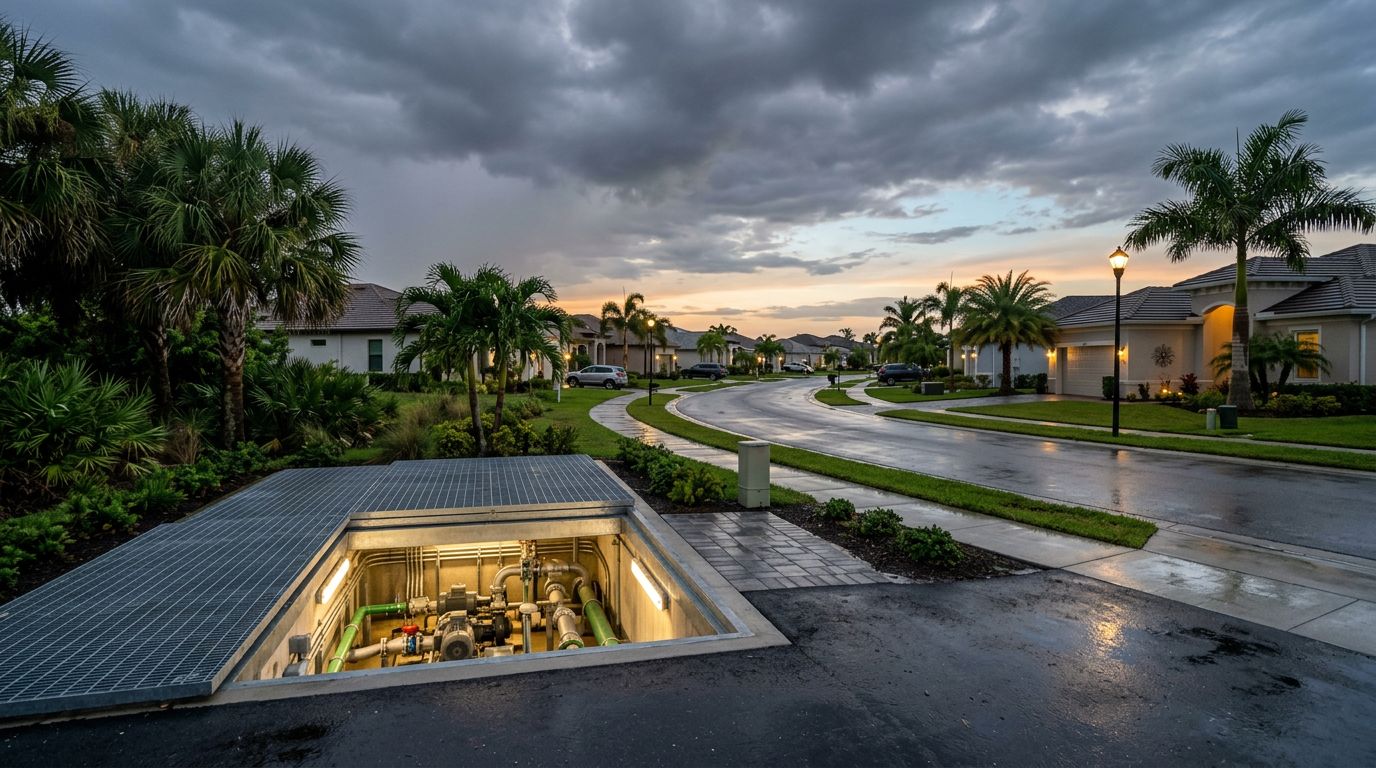
Sewer lift stations collect wastewater in a basin. A pump activates when levels rise. It sends sewage through pressurized pipes to the main line. Cape Coral homes need them in low-lying areas or during city utility expansions.
Most residential units handle 20 to 50 gallons per minute. They include alarms for high water or power loss. Older models from the 1990s or early 2000s often fail now. Corrosion, motor burnout, or float switch issues cause most problems.
High water tables here stress these systems. Pumps run more during rains. That shortens life spans. If your home ties into the Cape Coral Utility Expansion Project, check compatibility first. Newer stations meet updated flood codes.
Common Signs It's Time for Lift Station Replacement
Pumps hum constantly but don't clear the basin. That's a worn motor. Alarms beep without reason, or worse, stay silent during tests. Sewage odors drift indoors from sewage smell causes in Cape Coral homes.
Slow backups hit multiple fixtures. Toilets gurgle. Sinks drain sluggish. Power failures expose weak backups. Grit from sandy soil clogs impellers over time.
Age matters most. Units over 15 years old risk sudden failure. Test yours monthly. Pour water into the basin. The pump should activate fast. If not, schedule an inspection. Early action saves thousands.
Factors That Determine Your Replacement Cost
Costs start with basin size. Small residential basins hold 50 to 200 gallons. Larger ones push prices up. Pump type follows. Submersible models cost more upfront but last longer in wet conditions.
Excavation varies by access. Open yards keep digs simple. Concrete slabs or pavers add saw-cutting fees. Discharge piping needs proper slope to avoid backups. Long runs require bigger pipes.
Electrical upgrades include dedicated circuits and GFCI outlets. Alarm panels with remote alerts add value. Controls ensure safe operation. Restoration covers concrete pours and landscaping patches.
Code changes in Cape Coral demand corrosion-resistant materials. High water table rules require sealed lids. Permits run through the city. Here's a quick cost breakdown:
| Factor | Impact on Total Cost | Cape Coral Notes |
|---|---|---|
| Basin size (50-200 gal) | $2,000-$6,000 | Matches most homes |
| Pump (submersible, 1/2 HP) | $1,500-$4,000 | Handles local flows |
| Excavation (yard vs. slab) | $1,000-$5,000 | Sandy soil eases digs |
| Electrical/controls | $800-$2,500 | GFCI and alarms required |
| Piping/restoration | $1,000-$3,000 | Flood-proof routing |
| Permits/inspections | $300-$1,000 | City utility tie-ins |
Takeaway: Simple swaps stay low. Complex sites double the bill. Always itemize quotes.
2026 Pricing Ranges for Cape Coral Replacements
Expect $8,000 to $25,000 for most residential jobs in 2026. Inflation bumps labor 4-6% yearly. Materials rose with supply chains. Basic replacements hit $8,000-$12,000. That's pump swap, minor excavation, standard controls.
Mid-range setups run $15,000-$20,000. They include new basins, electrical, and restoration. Full rebuilds top $25,000. Think deep digs under driveways or generator tie-ins.
Compare these scenarios:
| Scenario | Estimated 2026 Cost | What's Included |
|---|---|---|
| Pump/motor swap, easy access | $8,000-$12,000 | Reuse basin, basic wiring |
| New basin + submersible pump | $15,000-$20,000 | Yard dig, alarms, piping |
| Slab work + full restoration | $20,000-$30,000+ | Concrete cut, landscaping |
Prices assume licensed crews. DIY tempts no one. Codes demand pros. Pair with sewer cleaning services beforehand. It reveals hidden issues.
Cape Coral Codes, Permits, and Local Challenges
City rules tightened after storms. Lift stations must handle surcharges. Duplex pumps provide redundancy. Backflow preventers protect mains.
Permits cost $300-$800. Inspections check electrical and venting. Utility Expansion Project homes face tie-in fees. High groundwater needs dewatering pumps during digs.
Sandy soil shifts fast. Crews brace trenches. Hurricane prep adds battery backups, often $1,500 extra. Compare to sump pump installs , which share similar challenges.
Skip low bids. They cut corners on seals or wiring. Reliable firms handle paperwork.
Steps to Get an Accurate Quote
Call licensed plumbers for site visits. Describe symptoms first. Note basin depth and pump age. Ask about warranties, usually 1-5 years.
Get three written bids. Compare scopes, not totals. Confirm inclusions like testing and cleanup. Video inspections spot pipe damage early.
Budget 10-20% extra for surprises. Roots or old cast iron add up. Act before failures flood your slab.
Replacement costs $8,000 to $25,000 in Cape Coral this year. Site factors drive the range. Pumps, basins, and codes shape your bill most. Inspections give real numbers. Don't delay. A pro quote prevents bigger headaches down the line.


Get a Free Estimate
Got a plumbing issue? We’re here to help! Whether you need emergency repairs, routine maintenance, or have a question about our services, our team is ready to assist you.