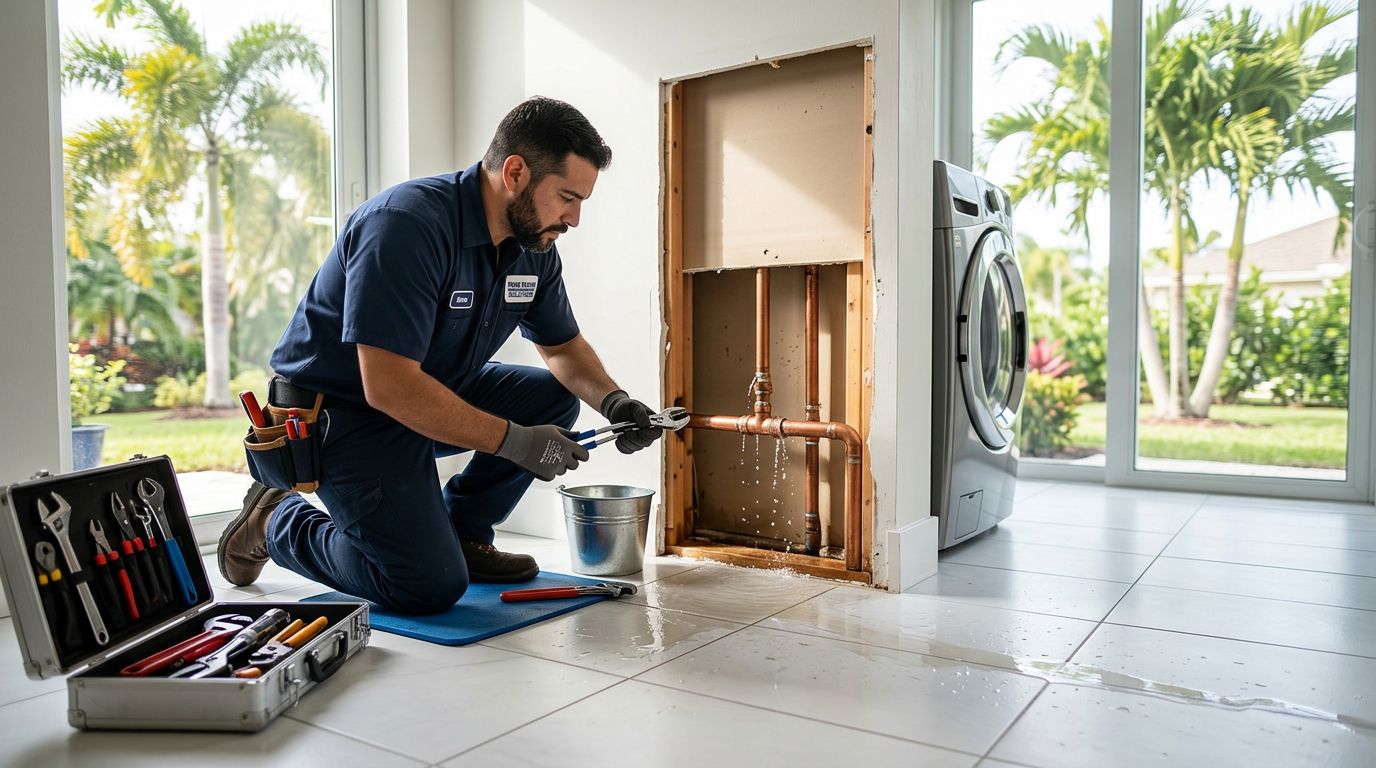
Water Softener vs Reverse Osmosis for Cape Coral Homes

Water Softener vs Reverse Osmosis for Cape Coral Homes

Cape Coral water can cause two very different complaints, mineral buildup in the house and taste problems at the tap. A water softener fixes the first one. Reverse osmosis handles the second.

That difference matters more than many homeowners expect. Why buy a sink filter when the real issue is scale on shower doors, fixtures, and appliances?

If you're trying to choose the right setup for your home, the answer starts with the problem you want to solve.

What each system actually does

A water softener and a reverse osmosis system are not substitutes. They treat water in different ways and at different points in the home.

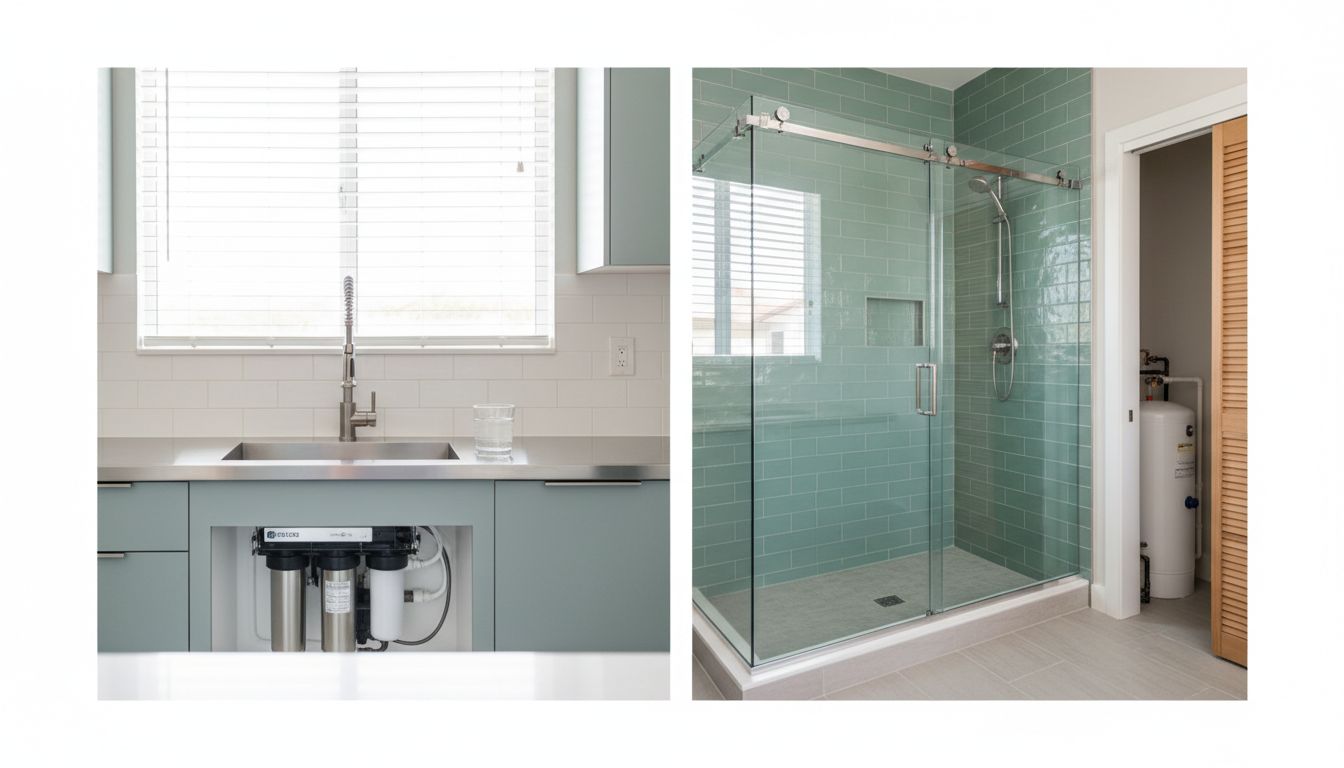
A softener uses ion exchange to remove hardness minerals, mainly calcium and magnesium. That helps cut scale, protect water heaters, and reduce spots on dishes and glass.

Reverse osmosis pushes water through a fine membrane at a single tap. It improves drinking water by reducing dissolved solids and many contaminants, which is why it often goes under the kitchen sink.

Here's the simplest side-by-side view:

System Best for Where it goes Main benefit Main limit
Water softener Hard water, scale, appliance protection Whole house, near the main line Softer water everywhere Doesn't make drinking water taste better on its own
Reverse osmosis Better-tasting drinking water One faucet, usually the kitchen sink Cleaner water for cooking and drinking Doesn't protect the whole house from scale

That split explains most of the decision. If your goal is whole-house protection , start with a softener. If your goal is drinking water quality , start with RO.

If you want a broader look at your options, this Cape Coral water treatment guide is a useful place to compare systems.

Cape Coral city water and well water lead to different choices

City water homes

If your home uses city water, the most common complaint is hard water behavior, spots on fixtures, crust on showerheads, cloudy glassware, and wear on appliances. A softener is the better fix for all of that because it treats water before it reaches every sink, shower, and washing machine.

Cape Coral homeowners also worry about taste, odor, and dissolved solids. The city's water quality reporting shows that treatment byproducts and minerals are part of the picture, so many households want more than soft water alone. In that case, RO at the kitchen sink gives you better drinking water without changing the whole plumbing layout.

For city water homes, the decision often comes down to this:

  • If you hate scale, choose a softener.
  • If you hate the taste at the tap, choose RO.
  • If you want both results, use both systems together.

Well water homes

Well water changes the conversation. Hardness can still be a problem, but it often shows up with iron, sediment, or sulfur as well. A softener can help with hardness, yet it won't fix a rotten-egg smell or gritty water.

RO can improve the water you drink, but it is rarely the first and only answer for a well. In many cases, the water needs pretreatment before RO works well. Sediment and iron can shorten membrane life fast, which means more service and higher upkeep.

That is why well owners should test first. Once you know what is in the water, you can decide whether you need a softener, RO, pretreatment, or a mix of all three.

A softener protects the house. RO improves the glass you drink from.

Installation, maintenance, and ongoing cost

Installation is one of the biggest practical differences between the two systems. A softener sits at the main line, so it needs room, plumbing access, a drain, and usually a brine tank. It becomes part of the whole home system, which is useful, but it takes more planning.

Reverse osmosis is smaller and easier to tuck under a sink. It still needs a drain connection and a dedicated faucet, and some systems use a storage tank. Tankless models save space, but they may cost more and need their own service plan.

Maintenance also looks different.

A softener needs salt, periodic cleaning, and occasional service on valves or resin. RO needs filter changes and membrane replacement on schedule. If the water has a lot of sediment or chlorine, those changes may happen more often.

Cost follows the same pattern. Softeners usually make sense when you want one system to protect the whole house. RO often has a lower starting price for a single sink, but the filters and membrane create ongoing costs.

If you want a local price range before you decide, this Cape Coral reverse osmosis pricing guide can help set expectations.

When a combination system makes the most sense

For many Cape Coral homes, the best answer is both systems together. A softener handles the hard water that beats up fixtures and appliances. RO handles the water you drink and cook with every day.

That setup works well when the home has two clear goals, less scale and better-tasting water. It also makes sense when family members notice dry skin, spotty dishes, or off-tasting tap water at the same time.

If a private well is part of the picture, the order matters. Start with testing, then add pretreatment if needed, then decide where the softener and RO fit. That keeps you from buying equipment that fights the wrong problem.

For many homeowners, the smartest path is simple: fix hardness across the house, then polish the drinking water at the kitchen sink.

Conclusion

The choice between a water softener vs reverse osmosis setup gets easier once you separate the jobs. Softening protects plumbing, fixtures, and appliances. RO improves taste and reduces dissolved solids at one tap.

Cape Coral homeowners on city water often benefit from a softener plus an under-sink RO system. Homes on wells may need more testing and pretreatment before either system will do its job well.

Start with the problem you notice most, scale in the house or taste at the faucet. The right system is the one that fits that goal without doing extra work you don't need.

By Infinity Plumbing April 28, 2026
Polybutylene piping is one of those problems that looks small until it isn't. A single leak can turn into drywall damage, cabinet repair, and a rushed plumbing bill. As of April 2026, most Cape Coral homeowners can expect a polybutylene pipe replacement cost in the range of $4...
By Infinity Plumbing April 27, 2026
Planning a new home build in Cape Coral? You'll face new construction plumbing costs that can surprise you. Local prices hit $4 to $8 per square foot in 2026. That adds up fast for Southwest Florida homes. Homeowners and owner-builders often overlook these expenses until bids...
By Infinity Plumbing April 26, 2026
Your sprinkler timer quits on a hot Cape Coral afternoon. The lawn turns brown fast because water stops flowing to the zones. Homeowners face sprinkler timer replacement costs from $100 to $500 in 2026. Most pay around $250 to $275 for parts and labor. These prices hold steady...
By Infinity Plumbing April 25, 2026
Running out of hot water after two showers is frustrating. Replacing the heater with the wrong type is worse, because you may overpay up front or end up with a system that doesn't match your daily routine. For Cape Coral homeowners, the tankless vs tank heater decision comes d...

Get a Free Estimate

Got a plumbing issue? We’re here to help! Whether you need emergency repairs, routine maintenance, or have a question about our services, our team is ready to assist you.

GET PROFESSIONAL HELP