How Much Does a Sewer Camera Inspection Cost in Cape Coral, FL? (When it makes sense, what the video shows)

How Much Does a Sewer Camera Inspection Cost in Cape Coral, FL? (When it makes sense, what the video shows)

A sewer problem can feel like trying to find a leak in a wall with your eyes closed. You might notice slow drains, gurgling, or a bad smell, but you still don't know where the problem lives.

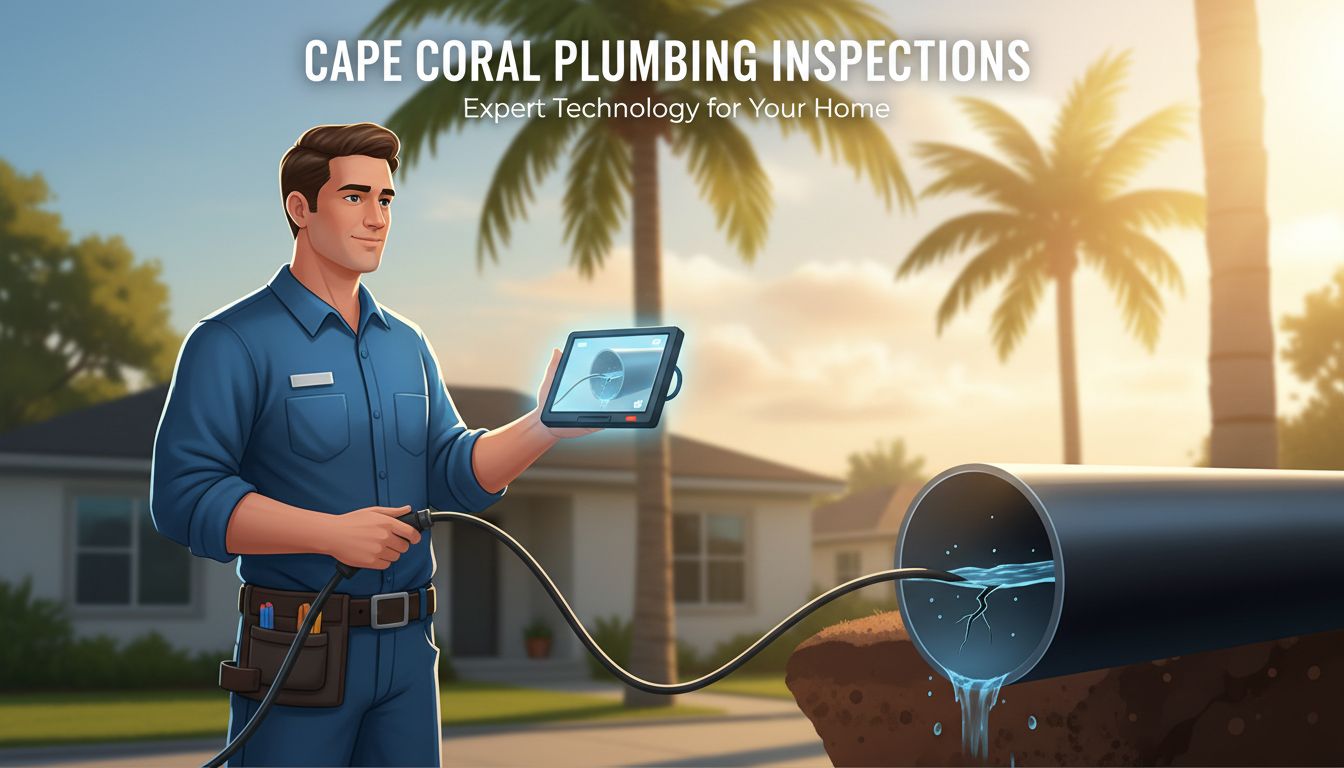
A sewer camera inspection cost is usually worth it because it turns guessing into seeing. The plumber sends a small camera through the line and watches the pipe in real time. You get answers before you pay for big repairs, or worse, dig in the wrong place.

Below is what homeowners in Cape Coral should expect to pay, when a camera inspection makes sense, and how to use the video results to pick the right fix.

Typical sewer camera inspection cost in Cape Coral (low, typical, high)

In many Cape Coral homes, a basic sewer camera inspection lands in the mid-hundreds, as long as there is a usable cleanout and the line isn't packed with standing water. Prices climb when access is tough, the run is long, or you need locating.

For a wider benchmark, you can compare local service pricing trends through a cost report like Cape Coral plumbing costs and prices , and you can see how broad the national range gets in HomeAdvisor's sewer inspection cost guide. Those national numbers can include complex diagnostics, long runs, and add-on work, so your actual quote may be lower.

Here is a simple way to think about common pricing in the Cape Coral area:

Service item Low Typical High
Basic sewer camera inspection (accessible cleanout) $200 $300 $450
Line locating (marking route and issue spot from surface) $75 $150 $300
Copy of recording (USB, link, or file export) $0 $25 $75
Emergency or after-hours inspection $75 $150 $300

Takeaway: Most homeowners pay for the camera work itself, then decide if they want add-ons like locating or after-hours response.

What drives the price up or down?

Access is the big one. If the plumber can use an outdoor cleanout, the job stays simple. If they have to pull a toilet, open a vent, or clear a blocked cleanout first, the quote rises. Line length matters too, especially on larger properties or homes with longer runs to the city connection. Finally, the goal of the inspection changes the scope. A quick "where's the clog?" check costs less than a full condition assessment with measurements and a written summary.

A camera inspection is often the cheapest way to avoid paying for the wrong repair.

If you're already dealing with backups or repeated clogs, the inspection also pairs well with professional drain help. For local service details, see sewer cleaning and repair in Cape Coral.

When a sewer camera inspection makes sense (and when it doesn't)

A sewer camera inspection is most useful when symptoms keep coming back. Think of it like a check-engine light. Clearing the code helps, but the video tells you why it happened.

It usually makes sense when:

A clog returns after snaking. That often means roots, a belly (low spot holding water), or a broken section that catches debris.

Multiple fixtures act up together. If the tub, toilet, and sink all drain slow, the problem is often in the main line, not one branch.

You smell sewer odor inside or outside. A cracked pipe, bad connection, or dried trap can cause smells, but the camera can rule the pipe in or out.

There's a soggy patch in the yard. In Cape Coral, the water table can hide leaks, so visual proof helps.

You're buying a home. A sewer line problem can be expensive, and it rarely shows up in a basic home inspection.

It may not be the right first step if your issue is clearly local, like a single sink trap clogged with hair. In that case, simple cleaning may solve it. Also, if the line is fully blocked with standing water, the camera might not see much at first. Many plumbers will clear the blockage enough to get a useful view, then run the camera.

Cape Coral homeowners should also keep the city's Utility Expansion Project in mind. If your neighborhood is converting to city sewer, or you recently connected, the condition and layout of your sewer piping matters. This is where a camera check can reduce surprises during tie-ins and repairs. For background on local connections, see Cape Coral UEP sewer connections.

What the sewer camera video shows (and how to use the results)

The camera feed is not just "a pipe video." A good inspection shows the pipe material, the condition of joints, and the exact type of blockage. Many cameras also have a sonde (a locating beacon) so the plumber can mark the issue spot from above ground.

Common things the video can reveal include:

Grease buildup and sludge. This looks like thick coating on the pipe walls, often with a narrowed channel. It can explain slow drains and recurring clogs.

Root intrusion. Roots often enter at joints or cracks. On video, they can look like white stringy growth or dense mats.

Cracks, offsets, and broken pipe. You might see a jagged break, a gap at a joint, or a section where the pipe no longer lines up.

Bellies (sags). Water pools in a low spot. Debris settles there, so clogs keep forming.

Corrosion or rough interior walls. Older cast iron can look scaly inside, which grabs waste and paper.

Foreign objects. Wipes, toys, and construction debris show up more often than most homeowners expect.

If you want a deeper technical overview of sewer cleaning and inspection practices, the EPA provides a helpful reference in its sewer cleaning and inspections fact sheet. You don't need to read it cover to cover, but it helps explain why cleaning and inspection go together.

Once you know what the camera found, the next step becomes clearer:

If the line is intact but dirty, cleaning or hydro-jetting may be enough.

If there's one damaged spot, a targeted repair may be the best value.

If the pipe is failing in several places, lining or replacement becomes more realistic.

How to prepare, what to ask before booking, and next steps after the inspection

A little prep can keep your inspection from turning into a longer, pricier visit.

First, try to locate your sewer cleanout. In many Cape Coral homes, it's outside near the foundation or near a bathroom wall. If you can't find it, don't force caps off. Let the plumber handle it.

Next, clear access. Move cars away from the driveway edge if the cleanout is there. Trim plants around the cap. Unlock gates so the tech can reach the side yard.

Finally, limit water use during the appointment. Avoid laundry, long showers, and running the dishwasher. Less flow means a clearer picture, especially if the pipe already drains poorly.

Before you book, ask a few direct questions. You don't need a script, just clarity.

Scope and access: How far will you camera, and from which entry point?
Deliverables: Will you provide a written summary, or just verbal results?
Locating: Is line locating included, or an add-on?
Pricing: Is the camera fee credited toward repair if you proceed?
Time: How long should the visit take if the cleanout is usable?

After the inspection, match the fix to the finding:

Heavy buildup, no damage: Schedule cleaning, then consider hydro-jetting if grease returns.
Roots at joints: Clear roots, then discuss root control and whether a spot repair is needed.
Single crack or offset: Ask about a spot repair, and confirm the depth with locating.
Multiple failures: Compare pipe lining versus replacement based on pipe material and access.

Prices vary by contractor, access, and pipe condition. Treat any range as a planning tool, not a guarantee. Getting a clear scope in writing keeps the final invoice predictable.

Conclusion

In Cape Coral, a sewer camera inspection is one of the fastest ways to turn symptoms into a plan. The sewer camera inspection cost is usually minor compared to digging, drywall work, or repeat clogs.

If you're dealing with backups, odors, or repeated slow drains, book the inspection, ask for a clear summary, and use the video to choose the simplest repair that actually solves the cause. The goal is not just to clear today's clog, it's to stop the next one.

By Infinity Plumbing February 13, 2026
If you’re on a well and septic in Cape Coral, the Utility Expansion Project can feel like someone handed you a to do list written in plumbing code. The good news is the process is predictable once you know who does what. This guide breaks down Cape Coral UEP hookups in plain l...
By Infinity Plumbing February 12, 2026
A shower that won’t hold temperature can feel like a car with a slipping transmission. It still runs, but you don’t trust it. In Cape Coral, the shower valve replacement cost depends on one big question: can a plumber fix it by swapping the cartridge, or do you need the full v...
By Infinity Plumbing February 11, 2026
If your shower feels like a pressure washer, you’re not imagining it. Water pressure Cape Coral homeowners get from municipal lines (or from a well and pump setup) can run higher than what your plumbing fixtures were built to handle. High pressure can feel great for a week, th...
By Infinity Plumbing February 10, 2026
A hidden plumbing leak is like a slow drain on your wallet. You might not see it, but you’ll feel it in your water bill, soft spots in drywall, or that musty smell that won’t go away. If you’re trying to budget for a leak detection cost in Cape Coral, the tricky part is that “...

Get a Free Estimate

Got a plumbing issue? We’re here to help! Whether you need emergency repairs, routine maintenance, or have a question about our services, our team is ready to assist you.

GET PROFESSIONAL HELP