Reclaimed Water for Irrigation in Cape Coral, What the Purple Pipes Mean and How to Avoid Stains and Odors

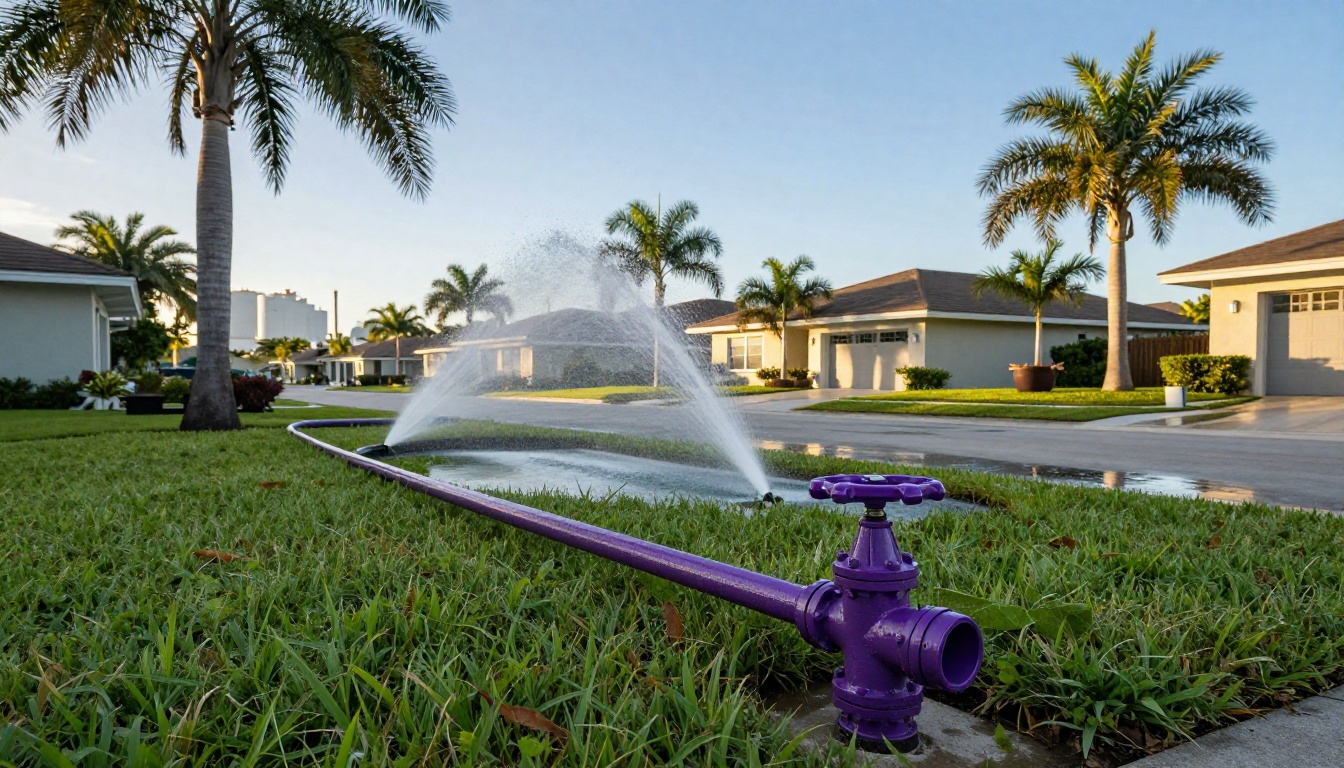
Ever notice a purple cap on a sprinkler or a purple-painted pipe near a valve box and wonder what it’s for? In many neighborhoods, that color is a simple warning label: cape coral reclaimed water is being used for irrigation.
Reclaimed water can be a smart way to keep lawns alive during dry spells, but it also comes with quirks. If you’ve dealt with rust-colored spots on pavers, a “pond” smell during watering, or slimy buildup on sprinkler heads, you’re not alone. Here’s what the purple pipes mean, why staining and odors happen, and what to do about them.
What the purple pipes mean in Cape Coral (and where reclaimed water can be used)
Purple piping is the standard color code for non-potable water . In Cape Coral, that usually means reclaimed water (highly treated wastewater) delivered for irrigation, not for drinking. Think of it like a “Do Not Drink” label built into the plumbing.
The City’s irrigation water program can include reclaimed water and, at times, other non-potable sources intended for outdoor use. You can see how the City describes the service and how accounts are handled on the official City irrigation service application page. For broader context on treatment and operations, the City’s Water Reclamation Division information is also helpful.
Common places you’ll see reclaimed water equipment
You might notice:
- Purple valve boxes, tags, or stickers near the backflow device or irrigation meter.
- Purple sprinkler head caps (or purple markings on the risers).
- A dedicated irrigation meter separate from your house meter.
What reclaimed water should not be used for
Even though it’s treated, reclaimed water is still non-potable. Avoid using it for:
- Filling pools, hot tubs, or kiddie pools
- Drinking water, cooking, or ice
- Outdoor showers or misters
- Washing cars if overspray is likely to hit paint or windows
- Irrigating edible gardens where spray hits fruits and leaves
Rules and allowed uses can change as the system expands and neighborhoods connect. If you’re unsure about current guidance, verify it with the City before making changes to your setup.
Why reclaimed water can cause stains and odors (and how to prevent both)
If potable water is like filtered cooking oil, reclaimed irrigation water is more like a seasoned broth. It can carry more minerals, nutrients, and organic material, and those differences show up on your home’s surfaces.
Why stains happen
Most staining complaints trace back to overspray and residue drying on hard surfaces. A few common causes:
- Minerals and metals (often iron or manganese) leaving orange or brown spots on concrete, white fences, and pool decks.
- Hard-water spotting on windows, vehicles, and painted surfaces.
- Algae-friendly nutrients that can leave greenish film in consistently wet areas.
Prevention usually comes down to spray control. If sprinkler mist hits a surface daily, staining is more likely, even if the water meets reuse standards.
Why odors happen
A mild earthy smell can occur, especially at first start-up, after a long gap in watering, or when there’s low flow. Odors are often linked to:
- Stagnant water sitting in laterals or dead-end lines
- Biofilm in older pipes or heads
- Organic material in non-potable supplies
The most effective prevention step: stop overspray
If your system is hitting the driveway, lanai, pool cage, or siding, that’s the first fix. A simple head adjustment or replacing a misting nozzle with the right pattern can make a big difference. If you want a pro to tune zones, swap heads, or track down pressure issues, see Irrigation Services Cape Coral.
If you’re considering a bigger upgrade (like pressure regulation, matched-precipitation nozzles, or a redesigned layout), it helps to understand real local pricing. This guide on New Lawn Irrigation System Costs lays out what drives cost in Cape Coral.
Cleaner safety notes before you scrub anything
When you do clean stains:
- Test a small, hidden area first , especially on sealed pavers and painted surfaces.
- Never mix bleach with acids (like vinegar or many rust removers) and never mix bleach with ammonia. Dangerous gases can form.
- Rinse plants after using cleaners near landscaping.
For statewide background on reclaimed water planning and use, Florida DEP’s reuse report is a solid reference: Water Reuse for Florida (Florida DEP PDF).
Quick troubleshooting for stains, smells, slime, and uneven coverage
Small symptoms can point to very different fixes. Use the table below to narrow it down, then decide if it’s a DIY adjustment or time to call for help.
| Symptom | Likely cause | What to do first |
|---|---|---|
| Rust-colored stains on pavers or walls | Overspray plus minerals/metals drying on surfaces | Re-aim heads away from hardscape, reduce misting nozzles, rinse surfaces soon after watering |
| “Swampy” or sewer-like odor during watering | Stagnant lines, biofilm, low flow at start-up | Run the zone for a few minutes away from windows, clean or replace clogged heads, check for low pressure |
| Slimy residue on heads or near constantly wet spots | Algae growth from frequent moisture and nutrients | Fix overspray and pooling, improve drainage, scrub heads, consider shorter run times (within City rules) |
| Uneven coverage (dry patches and soggy areas) | Clogged nozzles, wrong nozzle sizes, mixed head types, pressure problems | Clean nozzles, match head types in a zone, add pressure regulation if needed, check for leaks |
Practical fixes that work well in Cape Coral yards
Start with the simplest wins:
- Clean and flush : Remove nozzles and screens, rinse them, then run a zone briefly to push debris out.
- Correct the spray pattern : Reclaimed water issues get worse when mist drifts. Use the right nozzle and lower the arc near lanais and driveways.
- Fix leaks fast : A small break can create a muddy, smelly spot and drop pressure across the whole zone.
- Watch for pooling : Puddles don’t just smell, they also leave residue and attract pets.
Protecting landscaping and pets around reclaimed water
Most turf handles reclaimed irrigation fine, but some plants are salt-sensitive. If you see leaf burn on ornamentals, redirect spray so foliage stays drier and keep irrigation aimed at root zones.
For landscape-specific guidance on reclaimed water use in Florida, UF/IFAS has a clear FAQ-style resource: Reclaimed Water Use in the Landscape (UF/IFAS EDIS).
For pets and kids:
- Rinse paws if your dog runs through wet grass right after irrigation.
- Don’t let pets drink from puddles or lick wet patios.
- Store toys and bowls so they don’t get sprayed.
- Keep overspray off patios where kids sit or crawl.
When it’s time to call a plumber or irrigation pro
Get professional help if:
- Staining is widespread on sealed pavers, pool decks, or siding.
- Odors persist across multiple zones after cleaning heads.
- You suspect a cross-connection between reclaimed and potable lines, or you see purple components tied into house plumbing. That’s a safety issue and needs immediate attention.
Conclusion
Purple pipes are a simple sign that cape coral reclaimed water is supplying your irrigation, and that means you’ll want tighter spray control than you might with potable water. Most stains and odors come from overspray, stagnant lines, or dirty heads, and they’re often fixable with a few targeted adjustments.
City policies and schedules can change, so verify current guidance with official City and Florida DEP resources. If you’re dealing with heavy staining, recurring odors, or any sign of a cross-connection, bring in a licensed pro to get it corrected and keep your home and yard safe.


Get a Free Estimate
Got a plumbing issue? We’re here to help! Whether you need emergency repairs, routine maintenance, or have a question about our services, our team is ready to assist you.