Water Hammer In Cape Coral Homes Causes And Fixes

That loud bang when you shut off a faucet can feel like your plumbing just got punched. In many homes, it's water hammer , and it's more than an annoying noise.
Water hammer in Cape Coral homes often shows up after a change in water pressure, a new appliance, or even a simple washer valve that closes too fast. The good news is you can test for the most common causes quickly, then fix the problem in a way that protects your pipes and fixtures.
What "water hammer" sounds like, and what it's doing to your pipes
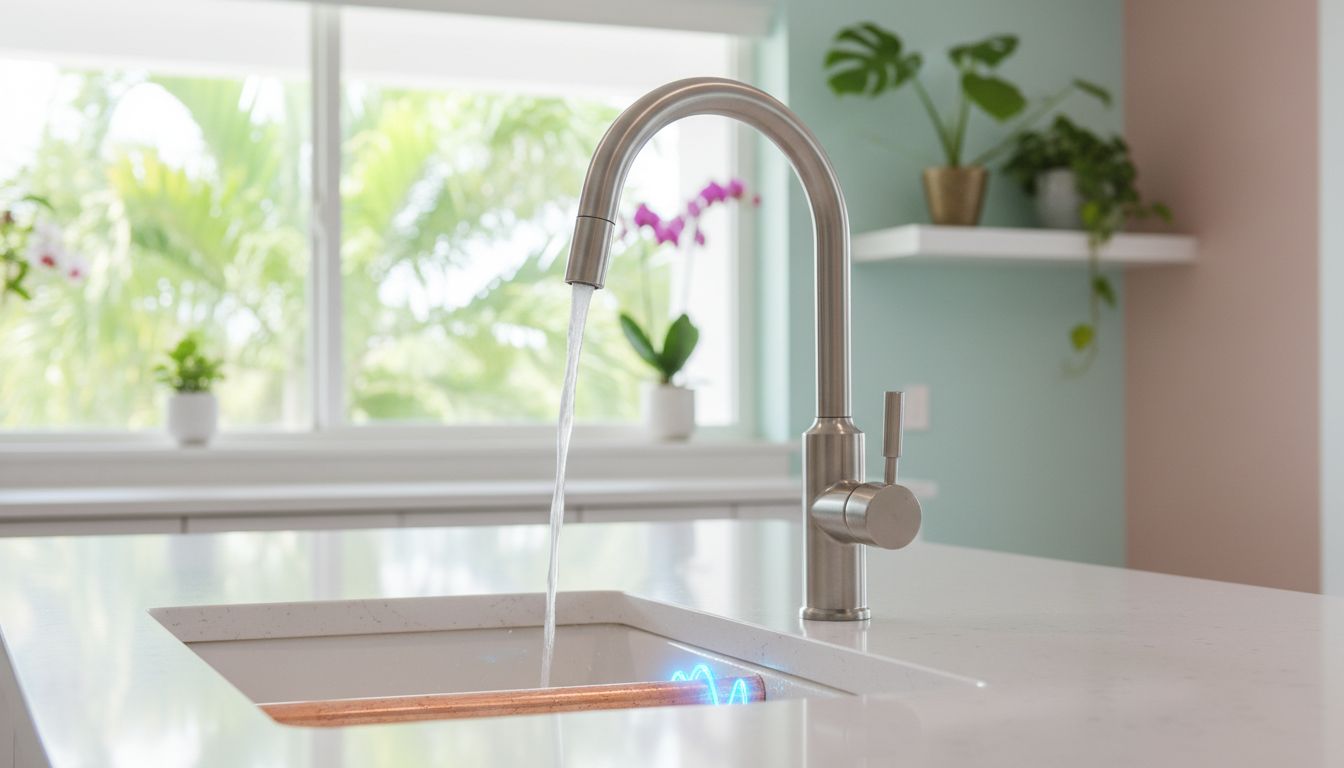
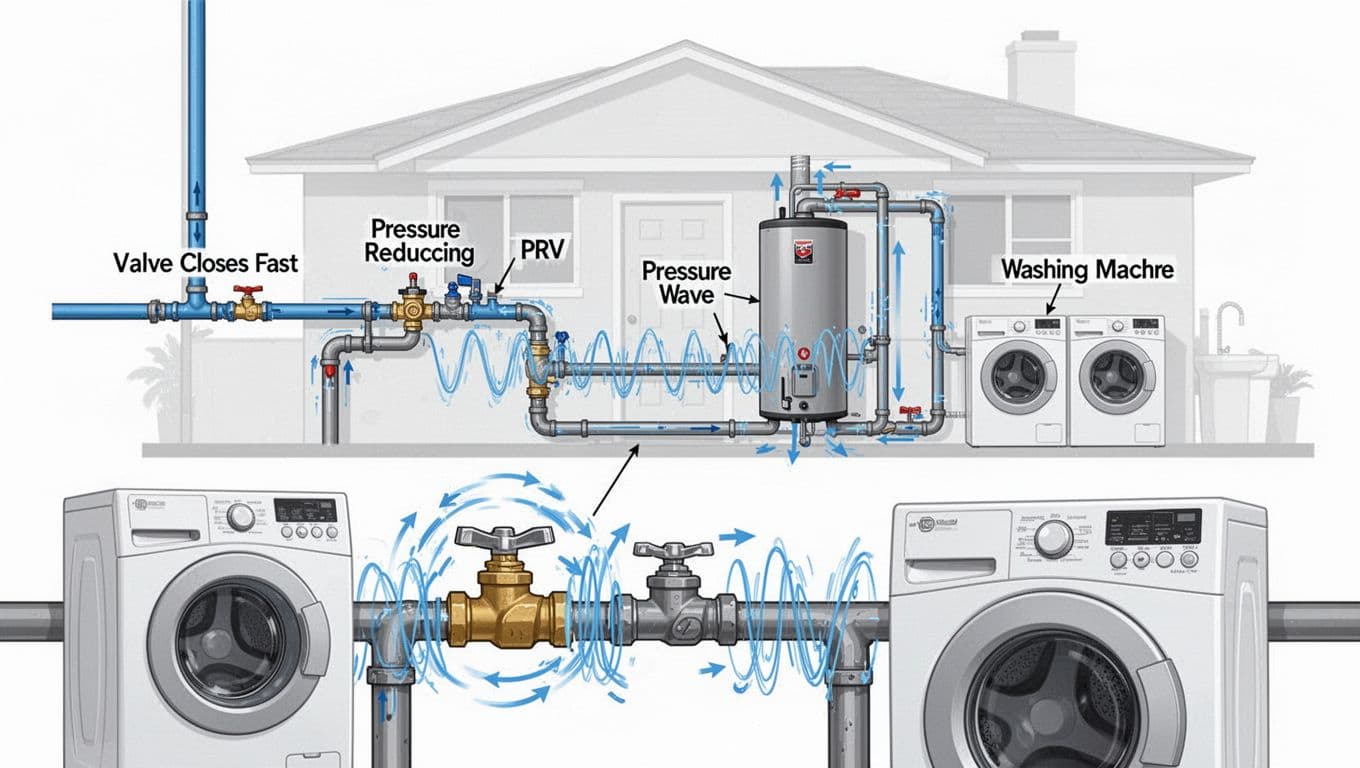
An illustration of how a fast-closing valve sends a pressure wave through household plumbing, created with AI.
Water hammer is a pressure shock wave. Picture a long hallway filled with people walking fast, then someone slams a door. The line compresses, rebounds, and you hear the impact. In plumbing, moving water has momentum, and a quick-closing valve forces that moving water to stop right now. The "thud" you hear is the pipe reacting to that pressure spike.
In water hammer Cape Coral calls, the loudest bangs often come from:
- Washing machines (fast solenoid valves)
- Dishwashers (quick fill valves)
- Fridge ice makers (small, fast-closing valves)
- Irrigation and sprinkler valves (solenoids snapping shut)
Noise can also come from other issues that mimic water hammer. A water heater that pops or rumbles may have sediment, which is a different fix. A "tick tick" in walls can be pipe expansion when hot water starts flowing. Loose pipe straps can make any pressure change sound worse.
Here's the simple rule: water hammer happens at the moment flow stops or changes fast . If the bang happens when a valve closes, you're likely dealing with hydraulic shock, not a drain issue.
If the banging is new and you also notice lower pressure, wet spots, or a higher bill, treat it as a warning. Pipe movement can stress joints over time.
For a plain-language explanation of what water hammer is and why it happens, this guide from The Spruce on water hammer and arresters is a helpful overview.
Quick tests to pinpoint the cause (pressure, valves, and expansion)
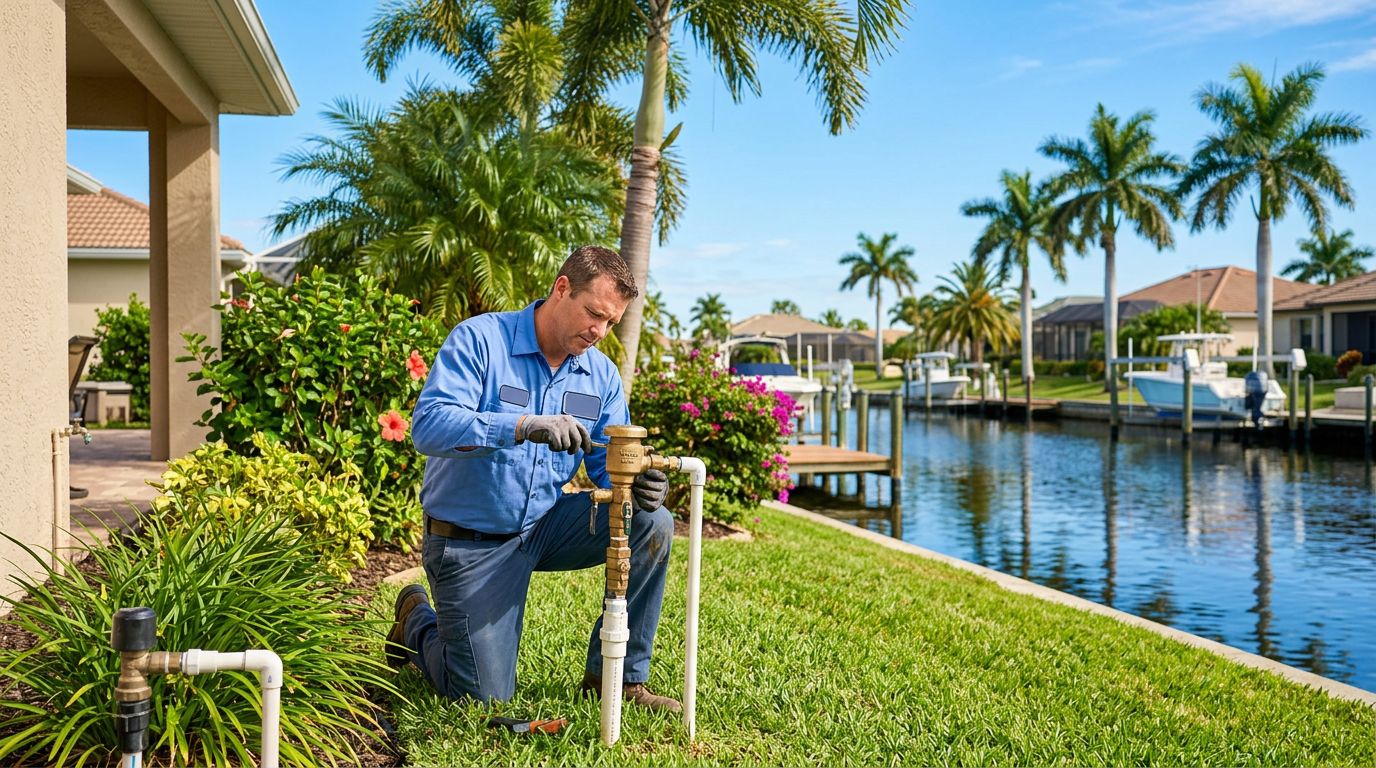
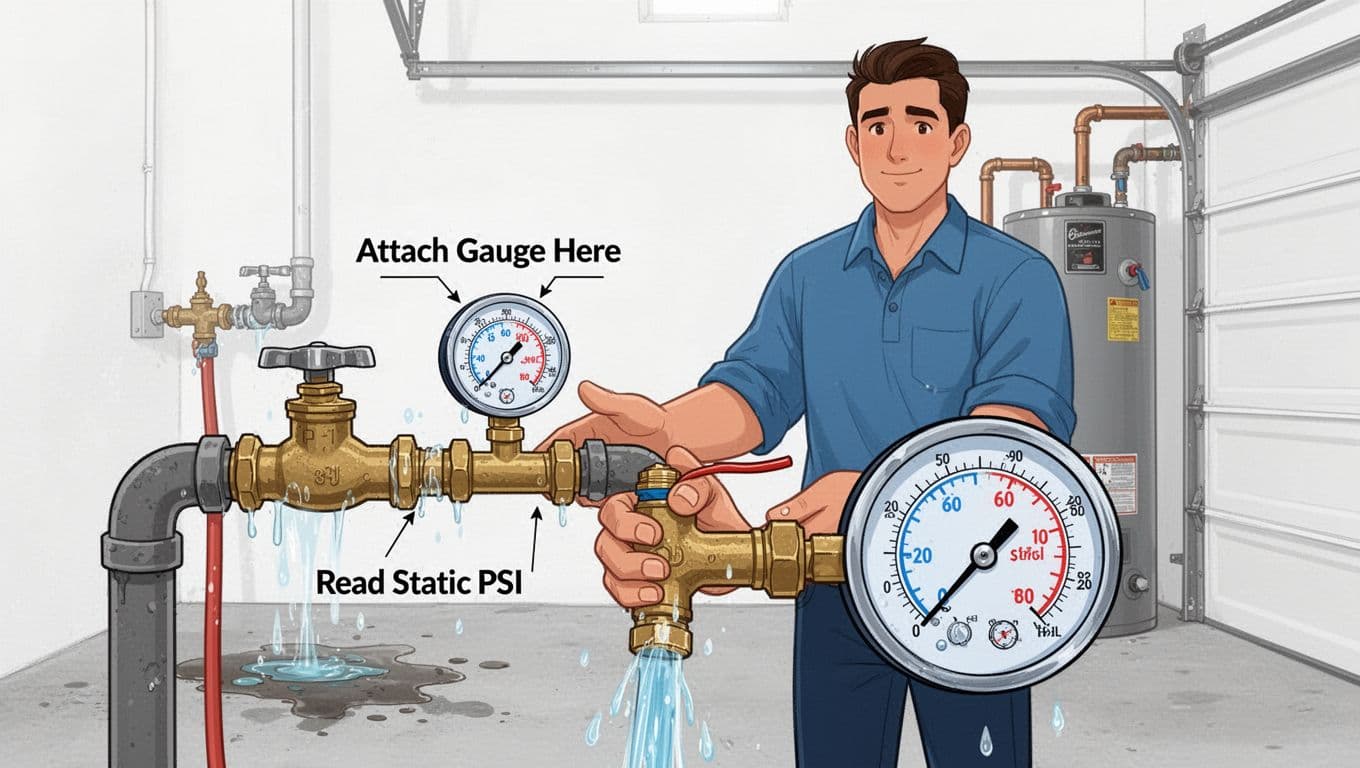
A simple setup for checking water pressure at a hose bib, created with AI.
You don't need special tools to start, but a $10 to $20 hose-thread pressure gauge makes this much easier.
Test 1: Measure static water pressure (no water running)
- Screw the gauge onto an outdoor hose bib or laundry sink hose connection.
- Make sure no water is running inside.
- Turn the spigot on fully and read the gauge.
Many homes run best around 45 to 65 psi . Pressure that stays high (or spikes) makes water hammer more likely. As a safety backstop, many plumbing standards treat 80 psi as a practical upper limit in homes.
Test 2: Measure dynamic pressure (water running)
With the gauge still on, turn on a nearby faucet inside. The reading will drop. That's normal. A big drop can point to restrictions, old piping, or a valve that's not fully open. It doesn't always cause hammer, but it affects how the system behaves.
Test 3: Check for thermal expansion at the water heater
If your system has a check valve or backflow device (common in many setups), pressure can rise when the water heater heats a full tank. That trapped pressure can amplify hammer and wear out valves.
A quick clue: if hammering happens more after hot water use, or you see dripping at the water heater relief line, expansion may be part of the story.
Before you check anything around the water heater, avoid burns . Hot water can scald fast. Also keep water away from electrical cords, outlets, and the heater's power source.
This table helps connect your readings to next steps:
| What you notice | What it often means | Good next move |
|---|---|---|
| Static pressure under ~65 psi, hammer only at one appliance | Local quick-closing valve | Add an arrestor at that appliance |
| Static pressure 70 to 90+ psi | High supply pressure | Have a plumber inspect/adjust PRV |
| Hammer is worse after hot water runs | Thermal expansion in a closed system | Consider an expansion tank |
| Hammer plus new stains or musty smells | Possible leak stress or existing leak | Schedule professional diagnosis |
If banging comes with signs of water damage, review these slab leak signs in Cape Coral homes and don't wait it out.
Fixes that stop water hammer in Cape Coral, prioritized by impact and cost
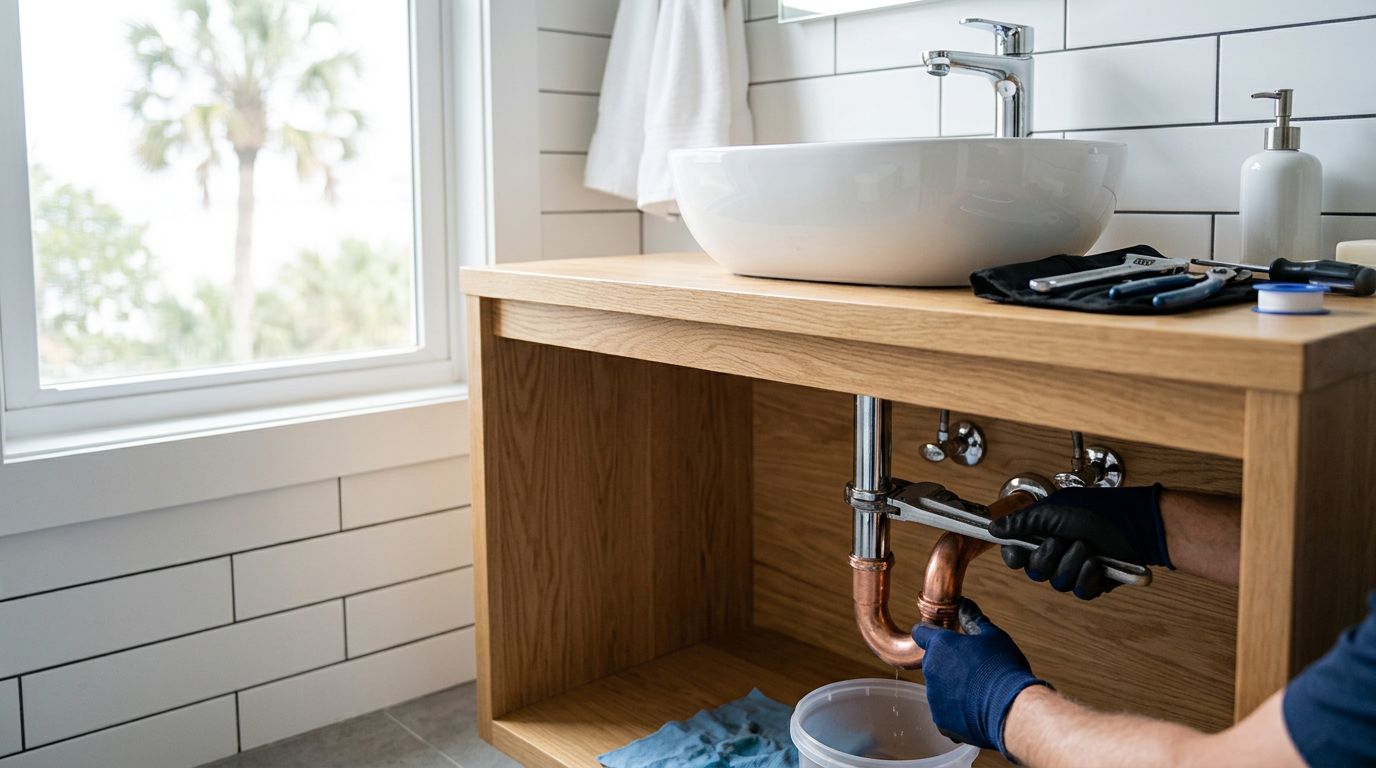
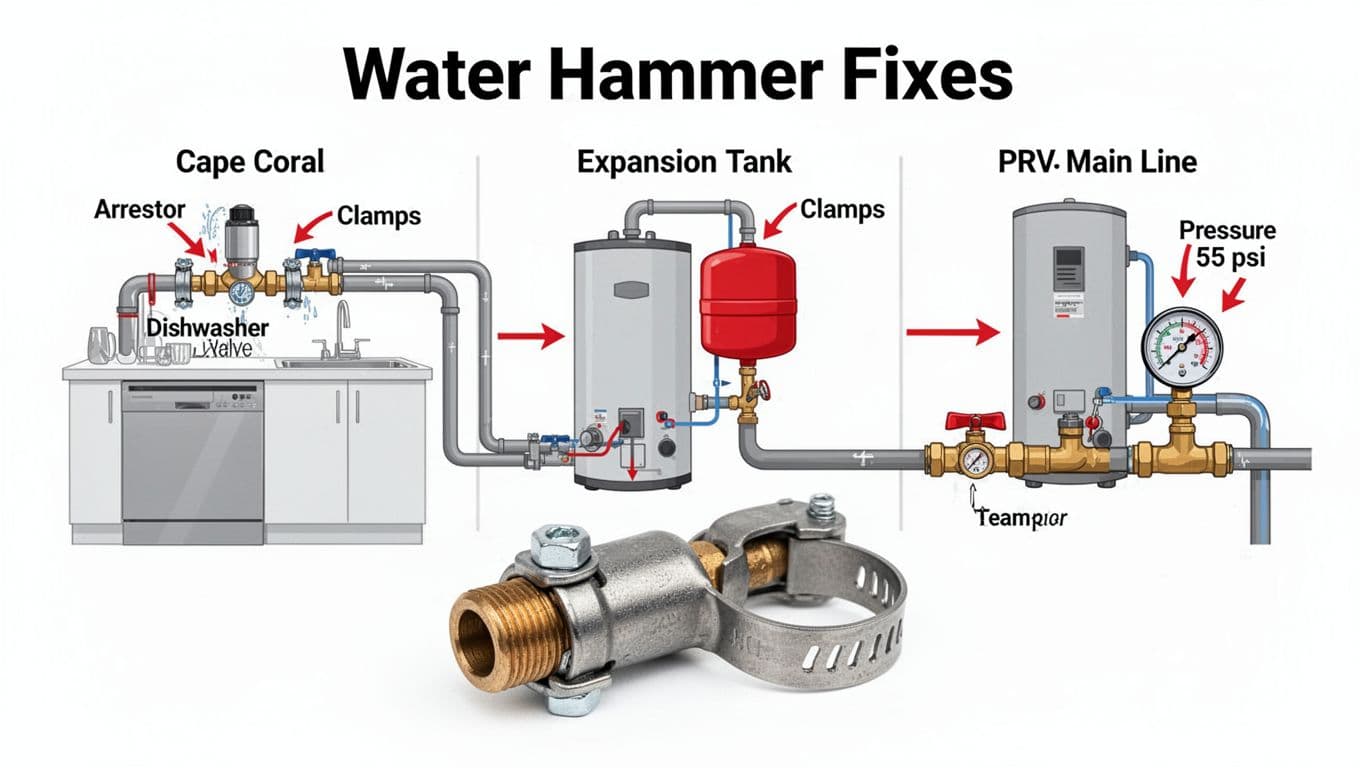
Common long-term fixes, including arrestors, pipe securing, PRV adjustment, and expansion control, created with AI.
Start with the smallest fix that matches your test results. Most water hammer problems come from one of three things: fast-closing valves, loose pipes, or pressure that's too high.
1) Add water hammer arrestors at the worst offender
Arrestors act like a cushion for the shock wave. They're often the best fix for washer lines, dishwasher supplies, and ice maker branches.
- DIY parts: $15 to $60 each (often quick to install on threaded connections)
- Plumber visit (installed, tested): $150 to $350+ , depending on access and how many lines need them
- Expected result: the bang usually drops a lot, sometimes disappears
Appliance notes:
- Washing machine : Use arrestors rated for washer solenoid valves, installed at the washer box or supply.
- Dishwasher : Install on the hot supply under the sink or at the dishwasher valve.
- Fridge ice maker : Install on the supply line where it's accessible, often behind the fridge or under the sink.
- Sprinkler valves : Hammer from irrigation may need arrestors or slow-close valves on the irrigation piping, plus pressure control.
2) Secure loose pipes and add cushioning where pipes pass through framing
If the pipe can move, it will. Pipe straps, clamps, and isolation sleeves reduce vibration and noise.
- DIY parts: $5 to $25
- Plumber visit: $150 to $300+ when access is easy
- Expected result: less rattling, less "machine gun" noise in walls
3) Control high pressure with a PRV (pressure-reducing valve)
If your static pressure is consistently high, arrestors may help, but the system is still under stress. High pressure can shorten the life of supply lines, toilet fill valves, water heaters, and faucets. It can also make small leaks turn into big ones.
PRV work should be handled by a licensed Florida plumber , because it's on the main line and may involve local permitting and inspection depending on scope.
- Plumber service (inspect, adjust, or replace PRV): often $250 to $750+
- Expected result: lower noise, fewer leaks, smoother fixture operation
If hammering has been going on for a long time, or you're seeing repeated leaks, it may be time to discuss bigger upgrades like whole home repiping in Cape Coral.
4) Add an expansion tank when thermal expansion is pushing pressure up
Expansion tanks give heated water a safe place to expand. They protect fixtures and can reduce "random" banging tied to water heater cycles.
- DIY parts: $40 to $120 (installation is not always DIY-friendly)
- Plumber install: $200 to $600+
- Expected result: steadier pressure, fewer relief valve drips, reduced hammer
For more step-by-step ideas on troubleshooting and fixes, this walkthrough on how to fix water hammer lines up well with what plumbers check in the field.
If you suspect the hammer has already damaged a pipe or fitting, start with leak detection in Cape Coral so you're not guessing behind walls or under slab.
Conclusion
Water hammer doesn't mean your house is falling apart, but it does mean your plumbing is taking hits. Check your water pressure , listen for which valve triggers the bang, then fix the cause, not just the noise. In many Cape Coral homes, the winning combo is an arrestor at the problem appliance plus pressure control and properly secured piping. If your main line needs a PRV or expansion tank, bring in a licensed plumber so the repair is safe, code-compliant, and built to last.


Get a Free Estimate
Got a plumbing issue? We’re here to help! Whether you need emergency repairs, routine maintenance, or have a question about our services, our team is ready to assist you.